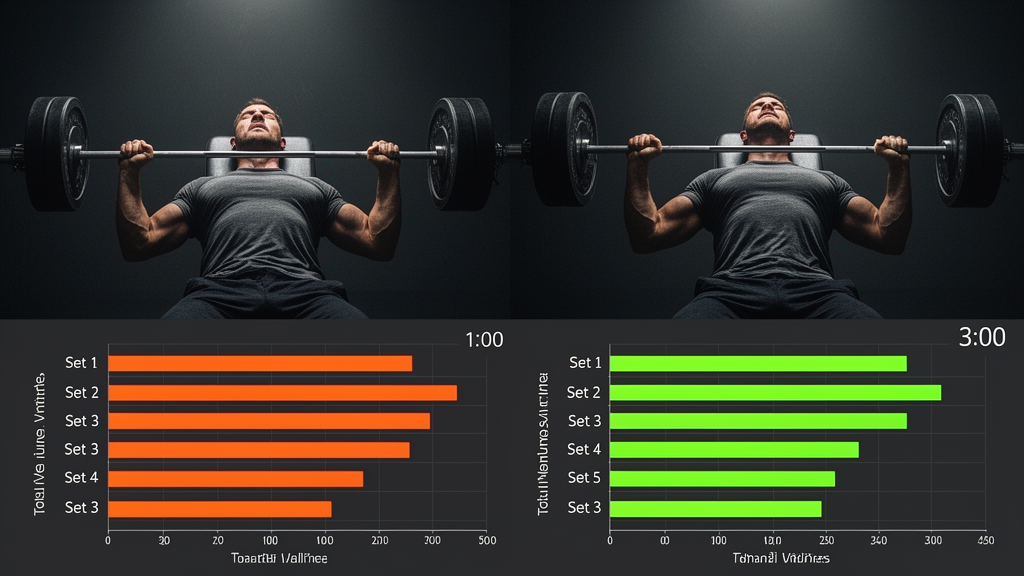
1 Minute vs 3 Minute Rest Periods: What the Research Actually Shows
Multiple controlled studies compared 1-minute and 3-minute rest. The data is clear for hypertrophy and strength outcomes. Here is what it means for your training.
Evidence-based articles on rest periods, recovery, and training optimization. Learn the science behind effective programming.
Multiple controlled studies compared 1-minute and 3-minute rest. The data is clear for hypertrophy and strength outcomes. Here is what it means for your training.
Beginners need longer rest than they think. Science shows why 2 minutes between sets improves form, safety, and strength gains for novice lifters.
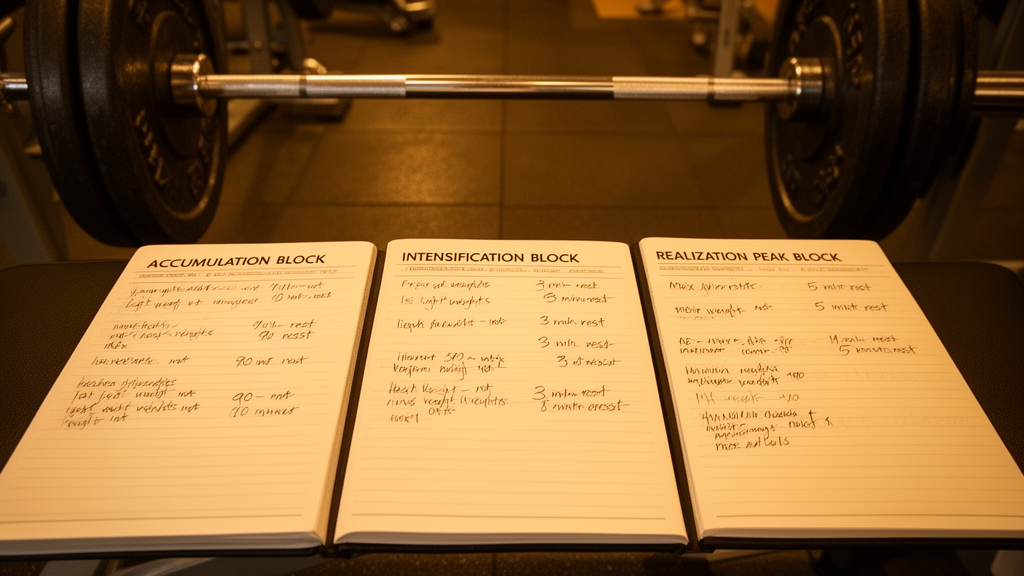
Rest periods should change as training phases shift from accumulation to intensification to realization. Here is how to program those adjustments.
Controlled breathing during rest activates the parasympathetic system, lowering heart rate faster and restoring CNS readiness before the next set.
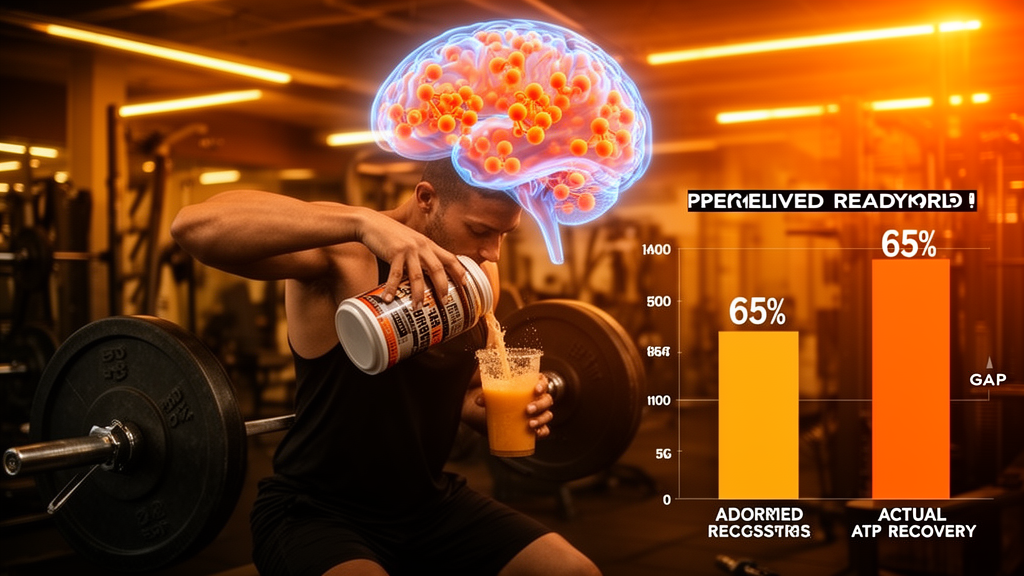
Caffeine blocks adenosine receptors, which masks perceived fatigue between sets. This affects how long rest feels optimal versus how long it scientifically is.
Rest needs in calisthenics match the skill demands of the movement. Here is how to set rest periods for push-ups, pull-ups, muscle-ups, and skill work.
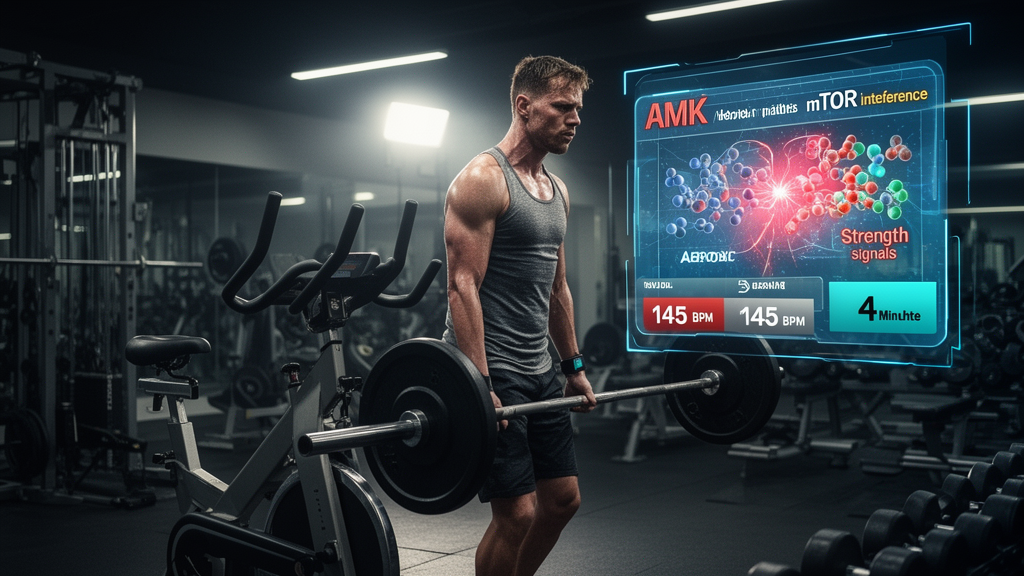
The interference effect changes how quickly strength athletes recover between sets when aerobic training is also in the schedule. Science explains how to adjust.
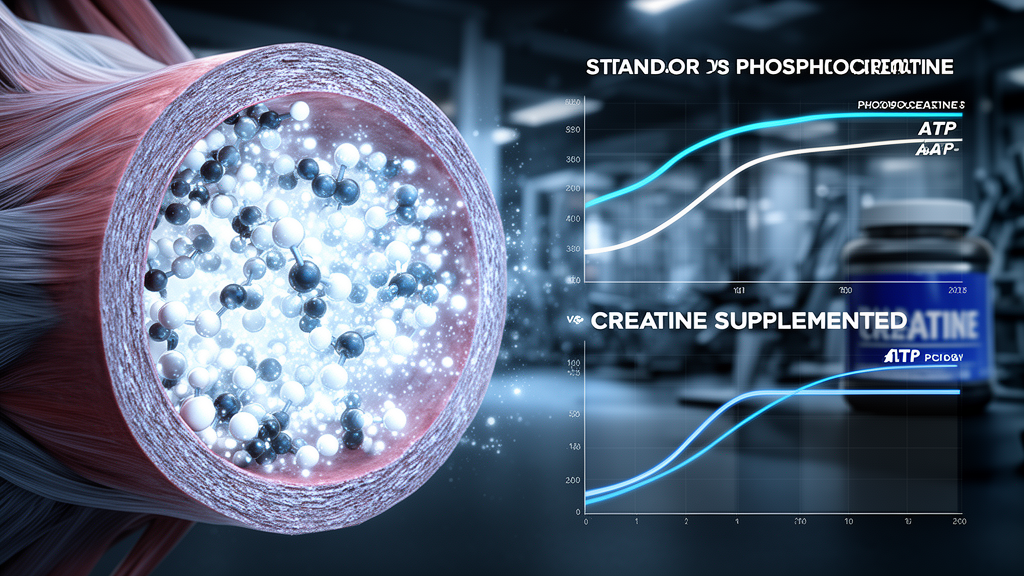
Creatine increases phosphocreatine stores, which speeds ATP replenishment. Here is what the evidence says about shortening rest intervals when supplementing.
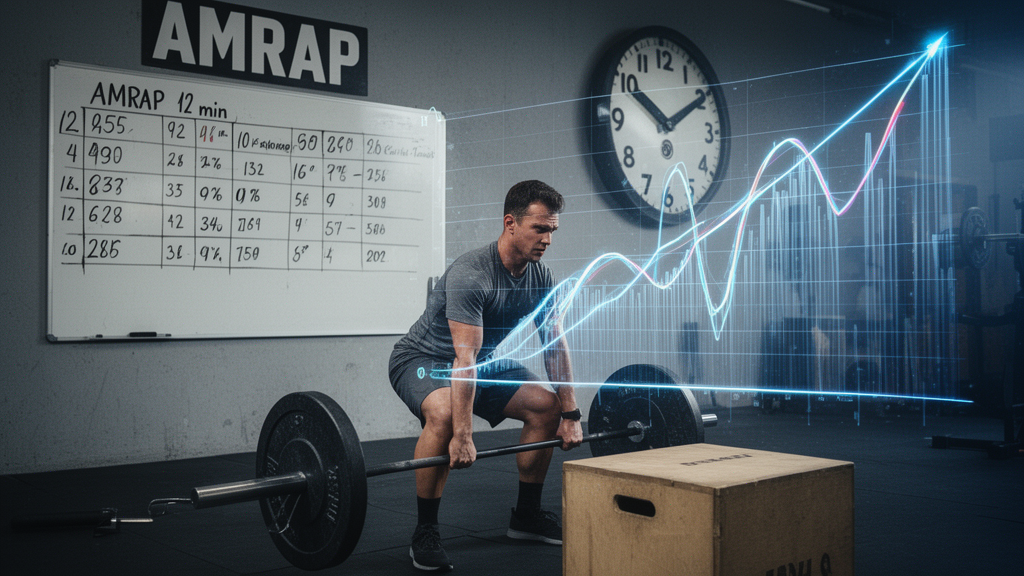
AMRAP rest is not random. Pacing rest within a metabolic conditioning workout uses the same lactate and ATP science as strength training, applied differently.
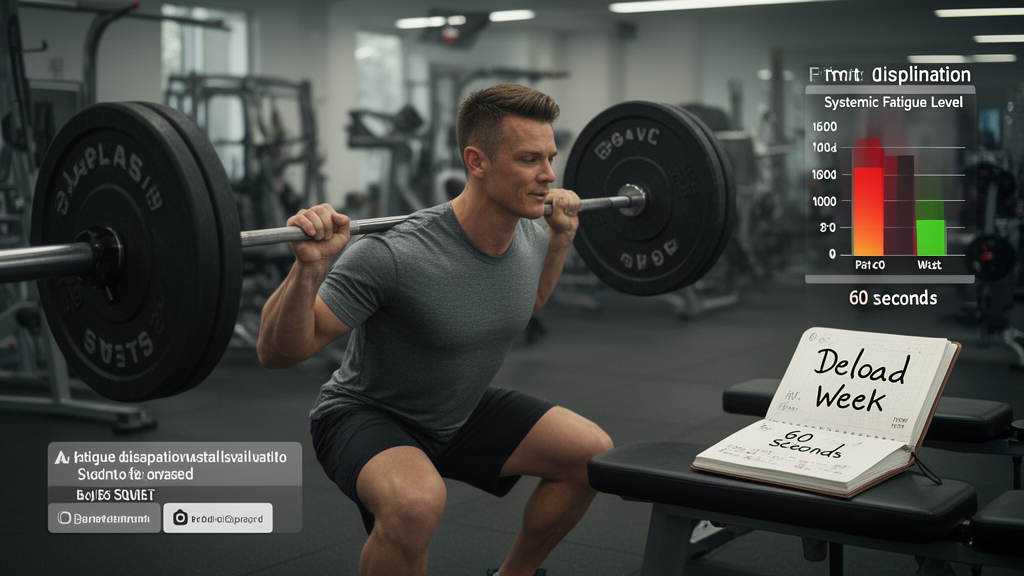
Deload weeks call for lower intensity and volume, but your rest strategy should also shift. Here is how to adjust rest periods to maximize the recovery benefit.
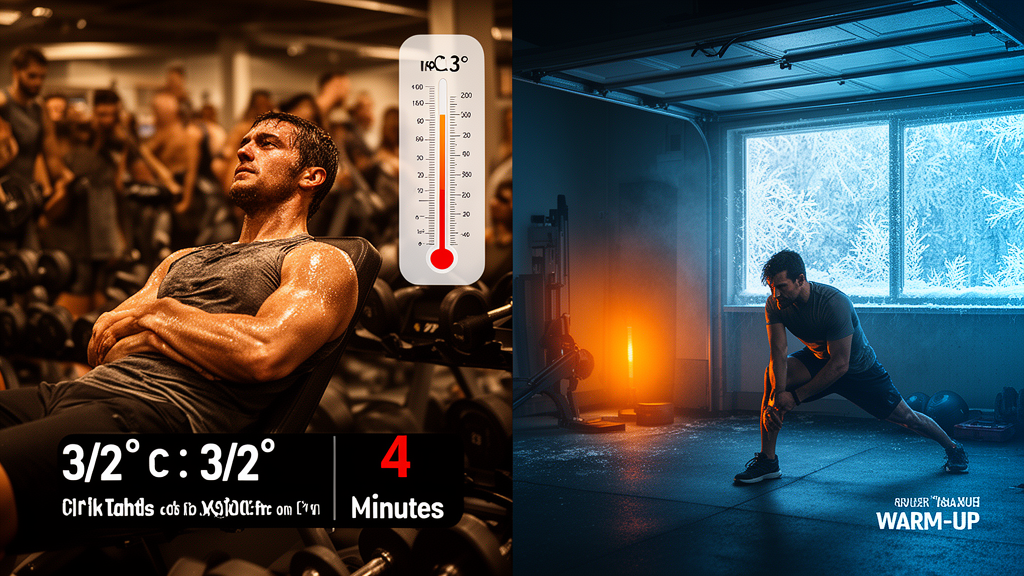
Training in heat increases cardiovascular demand and accelerates dehydration, requiring longer rest. Cold environments change warm-up needs and PAP windows.
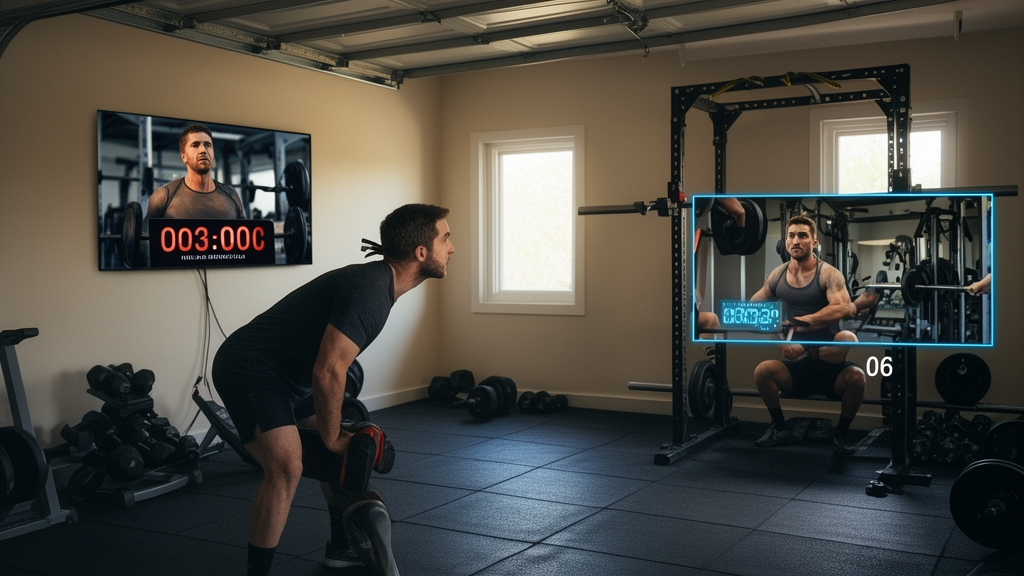
Home gym training removes social pressure but adds distraction risk. Managing rest periods deliberately at home requires different habits than a commercial gym.
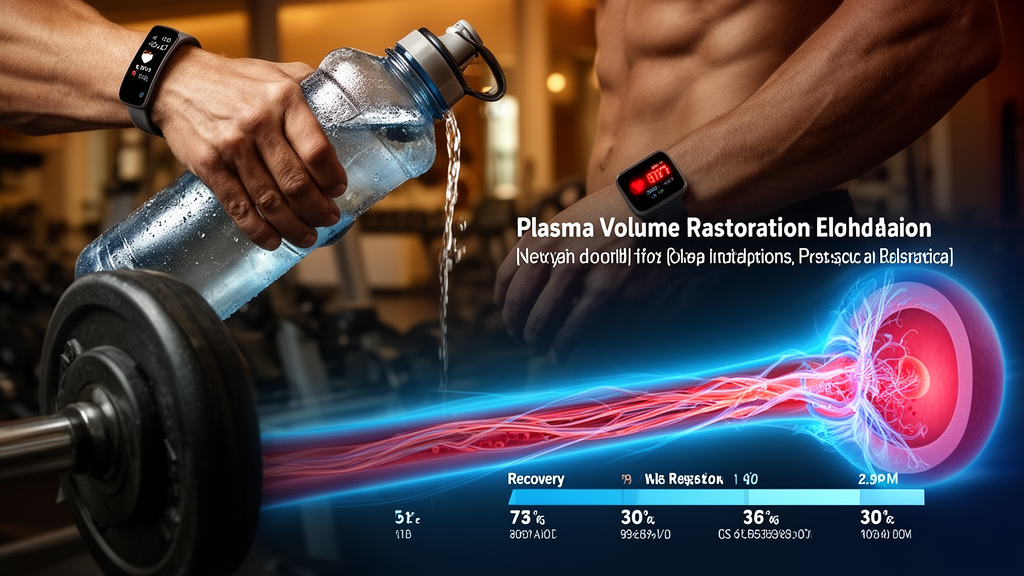
Even mild dehydration of 2 percent bodyweight slows heart rate recovery and reduces ATP resynthesis efficiency between sets. Here is what that means for your rest time.
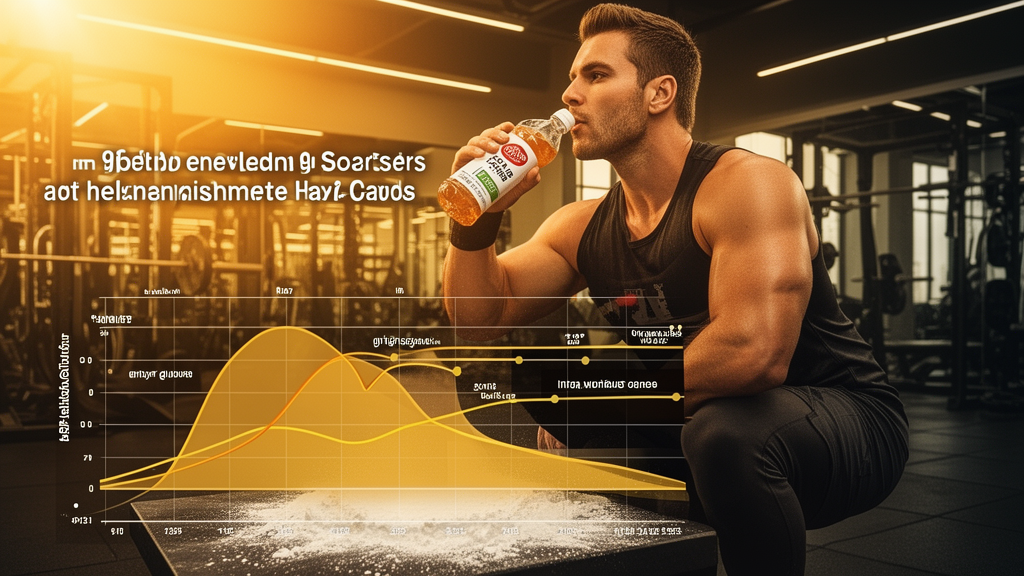
Consuming fast carbohydrates during long training sessions maintains muscle glycogen and can extend the number of sets you can complete at target intensity.
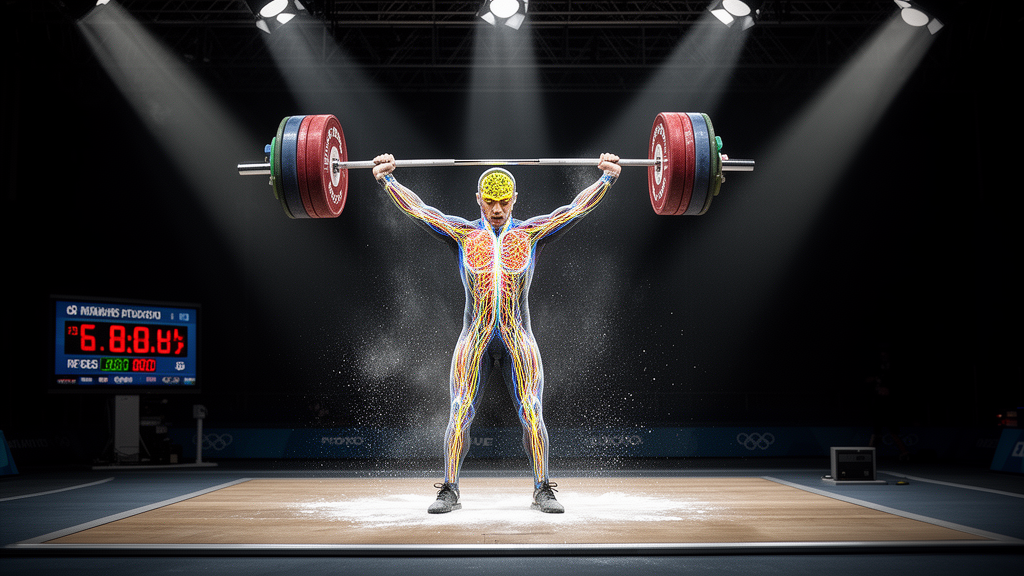
Olympic lifts are maximally demanding on the CNS and motor system. Rest periods of 3 to 8 minutes are standard in elite programming. Here is why.
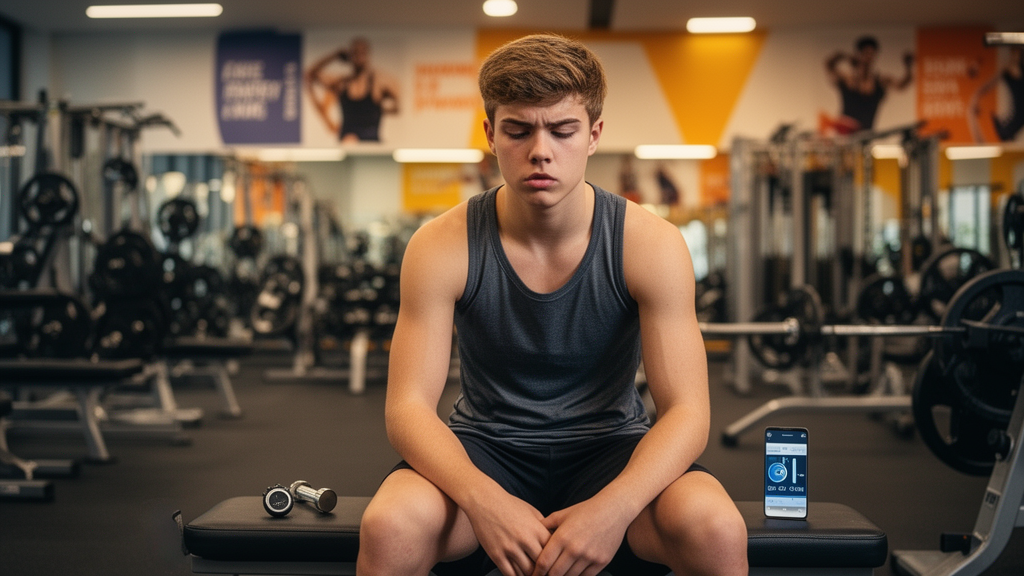
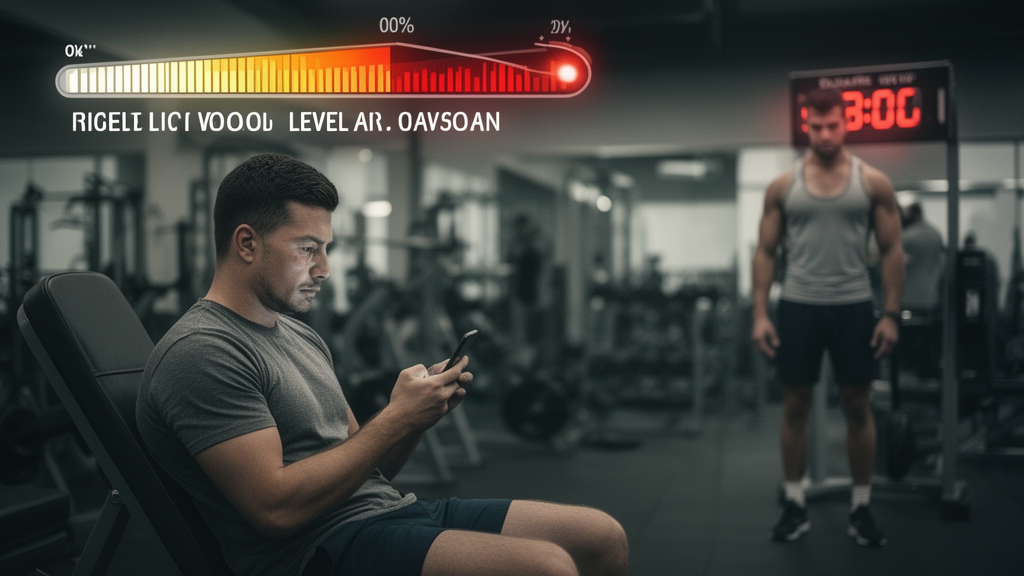
Scrolling during rest periods may not be as harmless as it feels. Research on attention, arousal, and CNS state between sets explains why the phone changes your training.
Six landmark studies on inter-set rest duration and their practical implications for strength, hypertrophy, and power training. Updated for 2025 evidence.
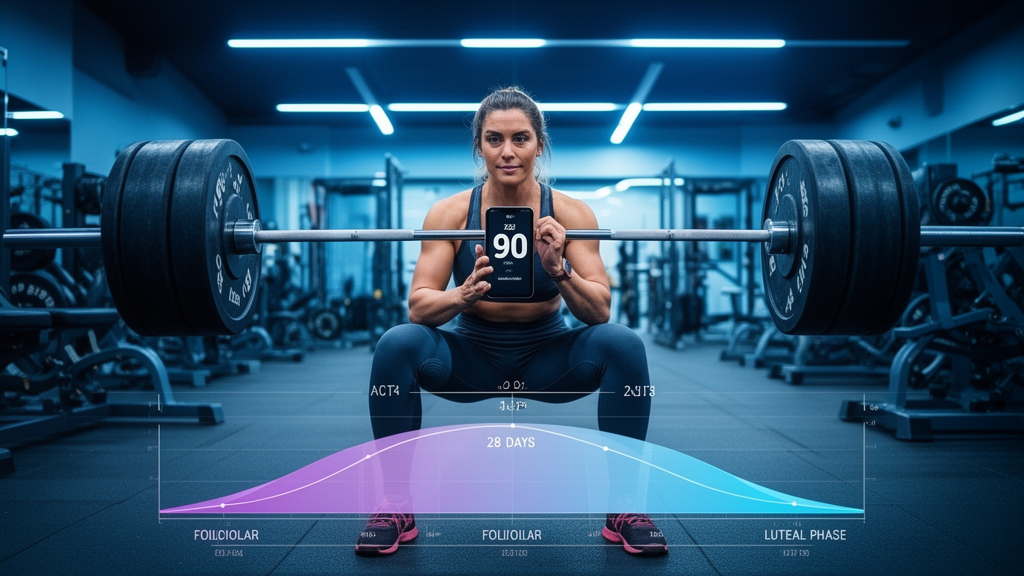
Women recover differently across the menstrual cycle. Science explains how to adjust rest periods by training phase for stronger, more consistent results.
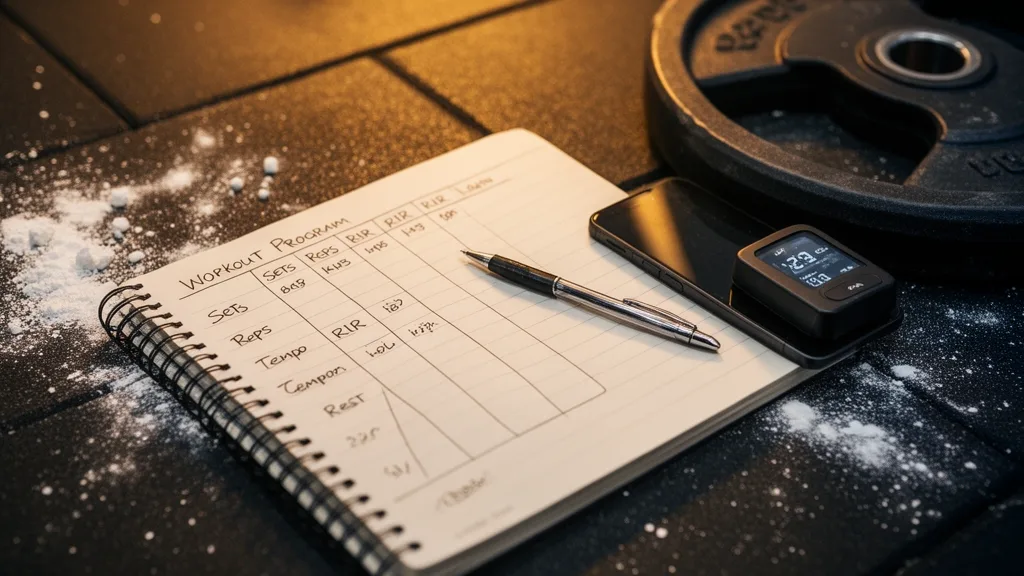
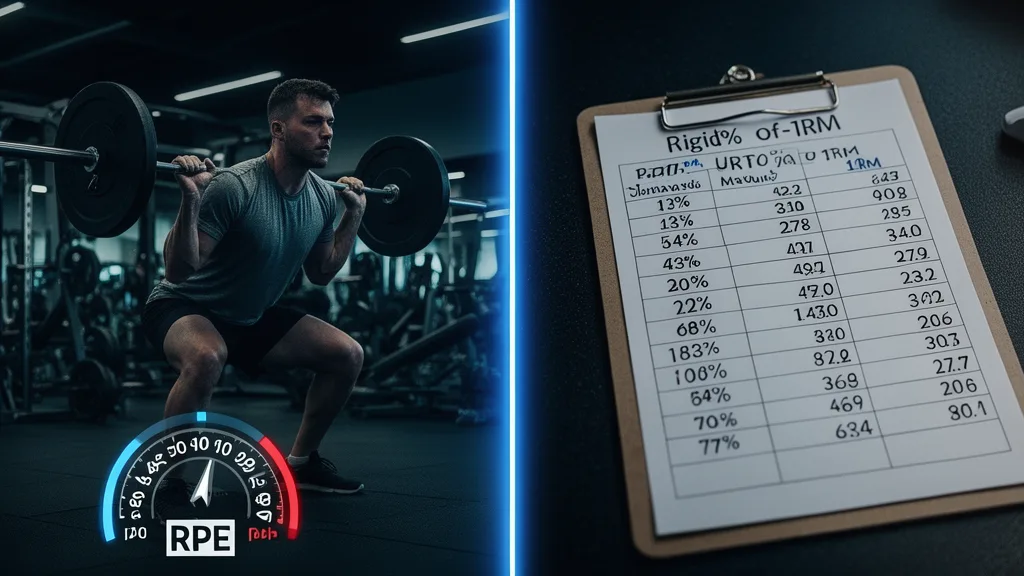
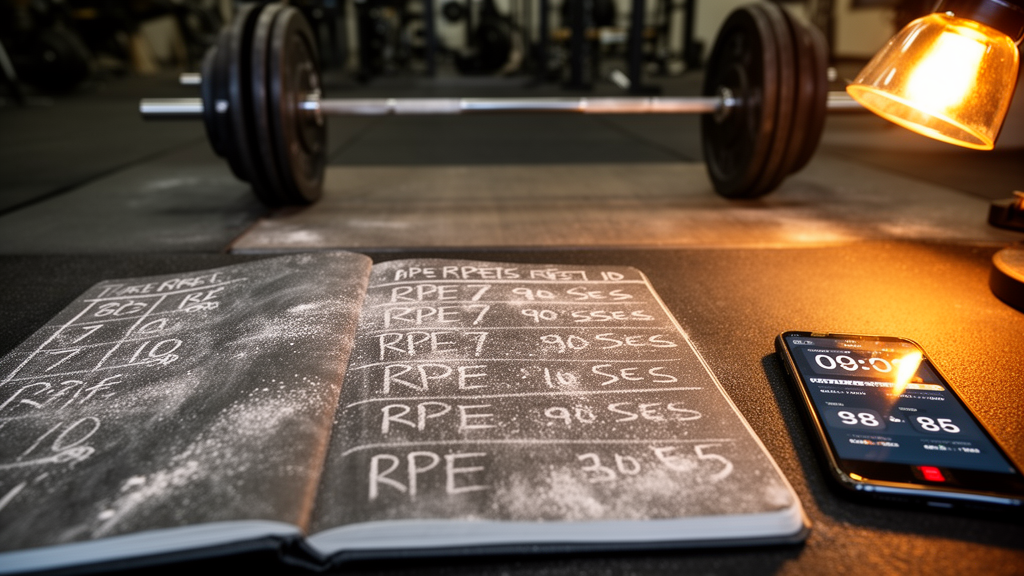
A set at RPE 9 needs significantly more rest than a set at RPE 7. Here is a practical system for matching your rest period duration to how hard each set actually was.
Sleep loss elevates CNS fatigue baselines, reduces phosphocreatine resynthesis efficiency, and impairs the neuromuscular recovery that happens between sets.
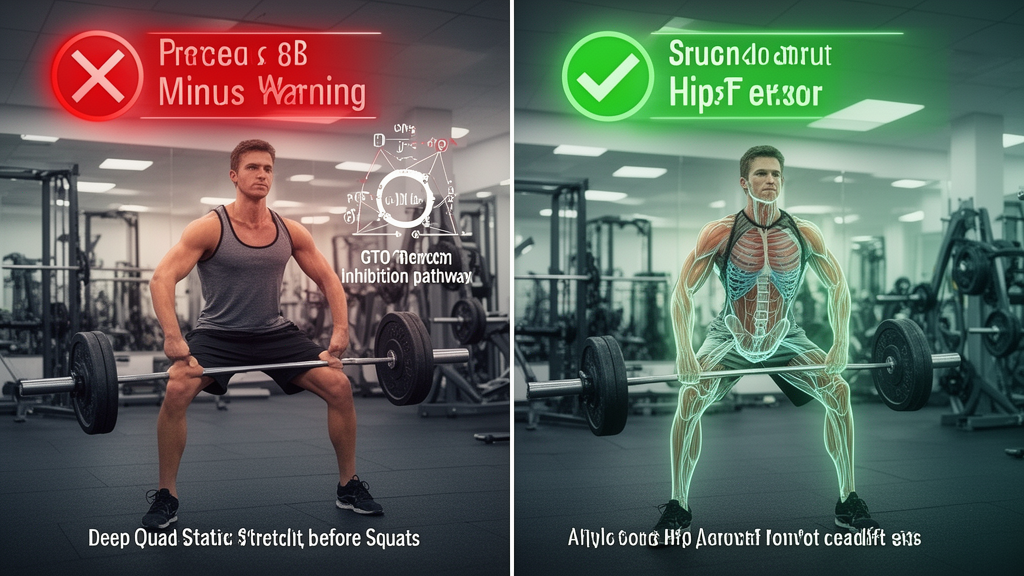
Static stretching during rest periods may reduce power output on subsequent sets. Dynamic mobility work is a safer choice. Here is what the research shows.
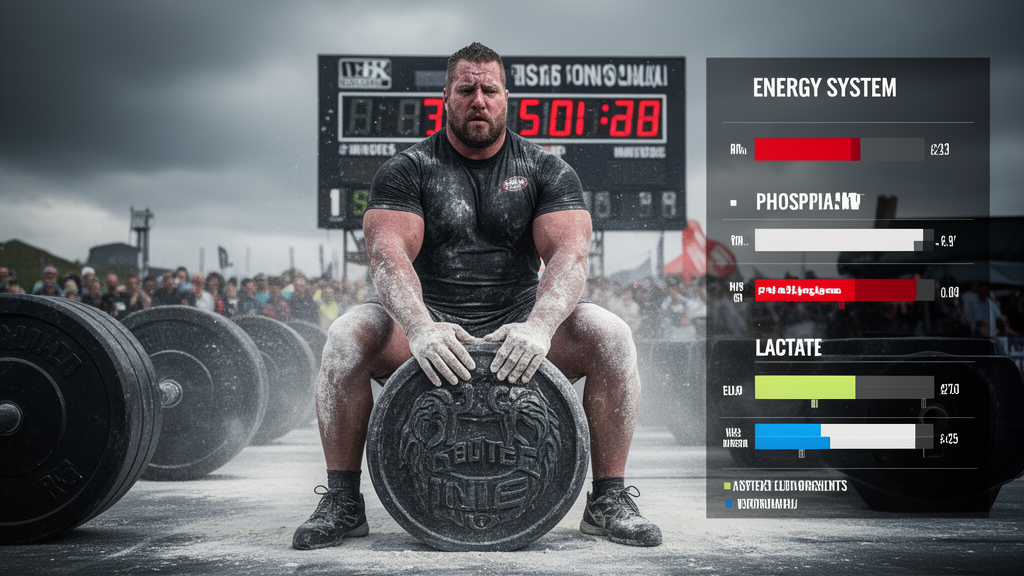
Strongman athletes manage unique rest demands across stones, log press, yoke walks, and max-effort loading. Here is how to program rest for each event type.
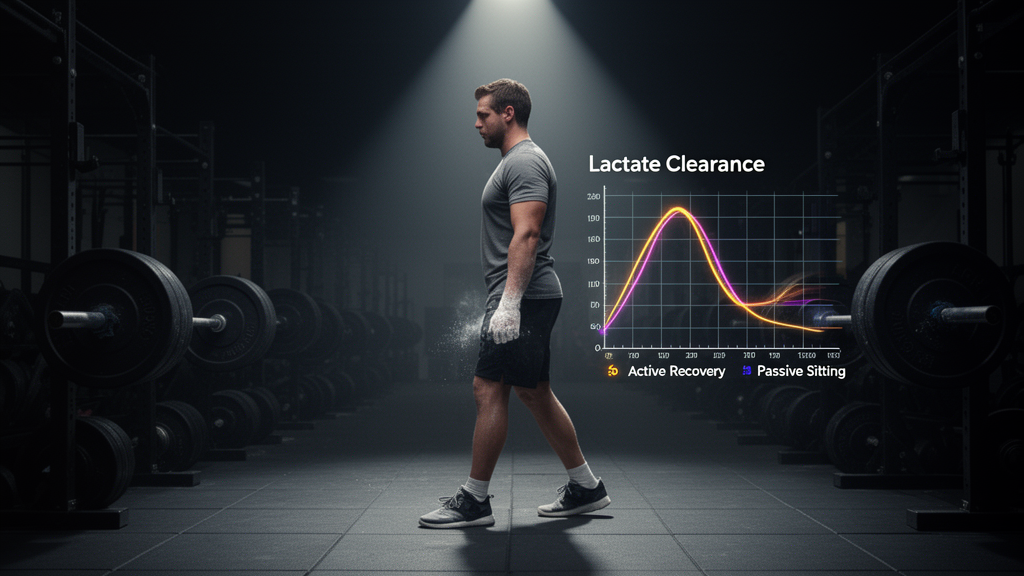
Walking during rest intervals increases lactate clearance compared to standing still. The science explains when it helps and when it works against you.
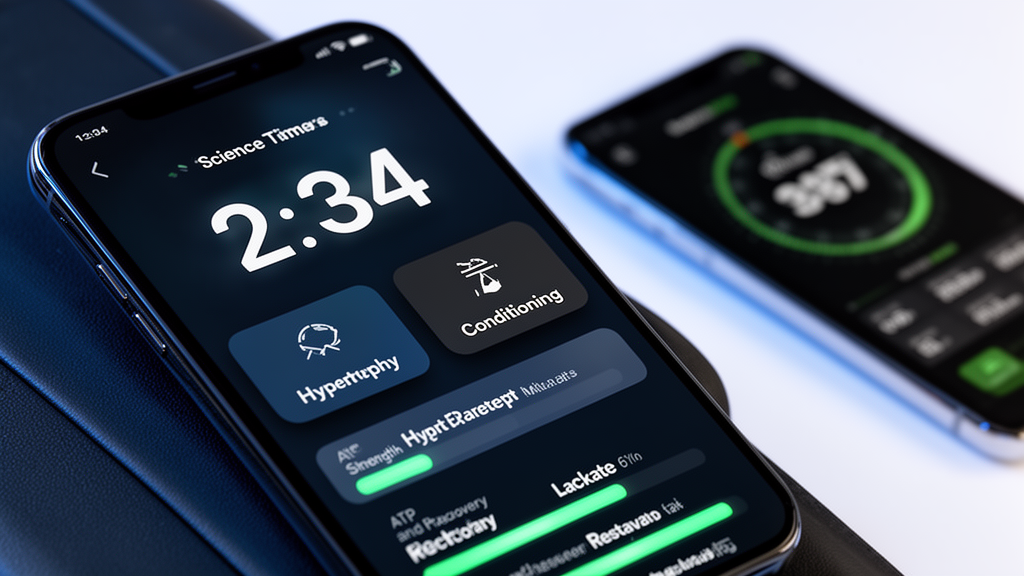
Compare rest timer app features that affect real training quality, from preset logic and recovery cues to speed, focus, and session flow.
Learn why overhead press performance falls fast, how long to rest between heavy sets, and how to stop turning pressing work into technical grind reps.
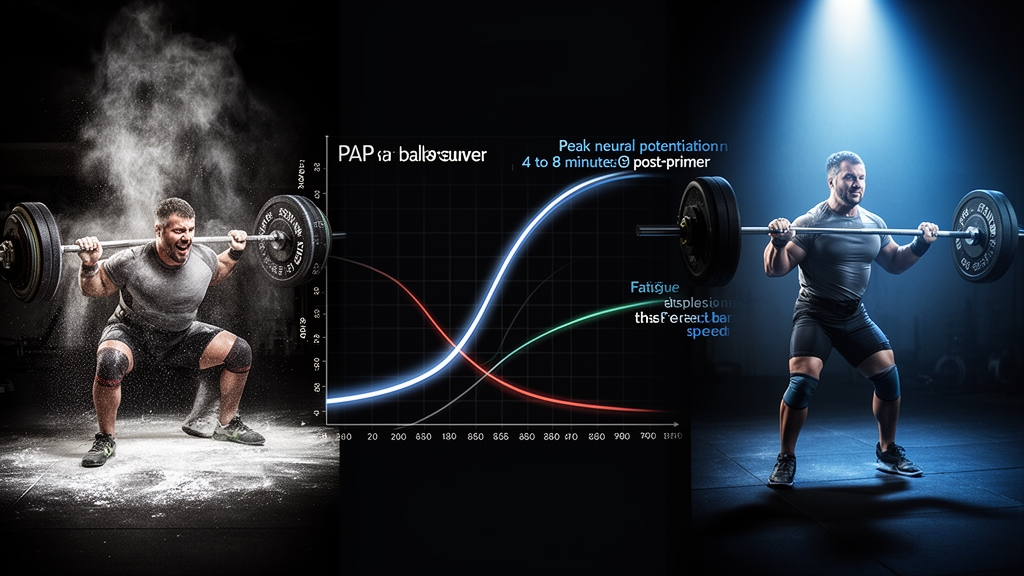
Learn how long to wait after a primer set, why PAP can boost performance, and when fatigue overwhelms the potentiation effect in strength training.
Thinking about speeding up your powerlifting workout? Read this first. The biology of ATP suggests that resting only 1 minute is a guaranteed way to stay weak.
You nail your compound lifts but ignore your accessories. Learn the science of rest periods for curls, raises, and extensions to maximize arm size and balanced development.
Your muscles have plenty of fuel, but can they use it? Learn how calcium ion uptake failure causes sudden weakness and how rest periods fix it.
Why rest 3 minutes for everything when your body changes every set? Learn the variables that affect recovery and how to calculate optimal rest dynamically.
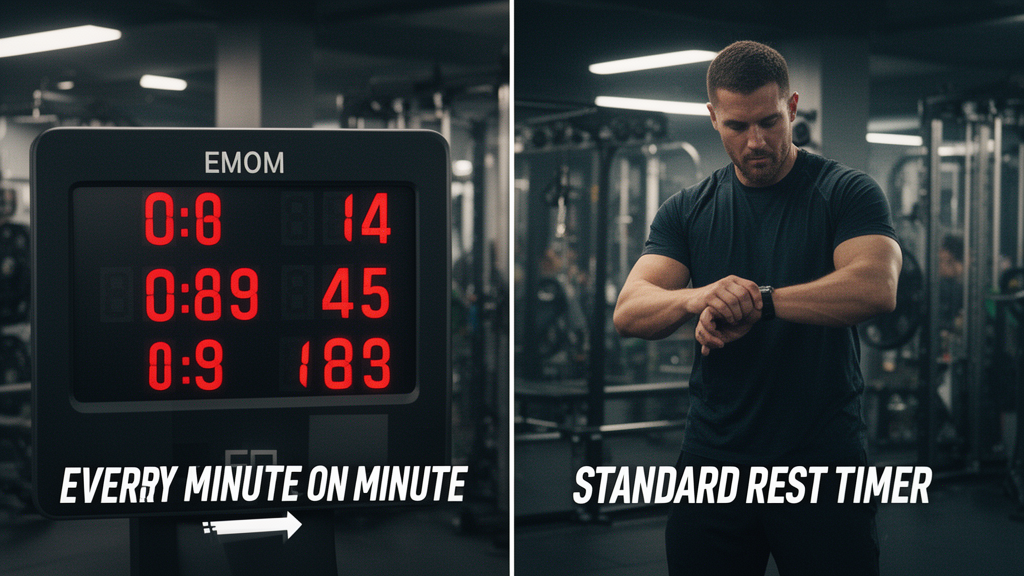
EMOM training saves time but costs recovery. Learn when to use Every Minute on the Minute and when to stick with traditional rest periods for maximum strength.
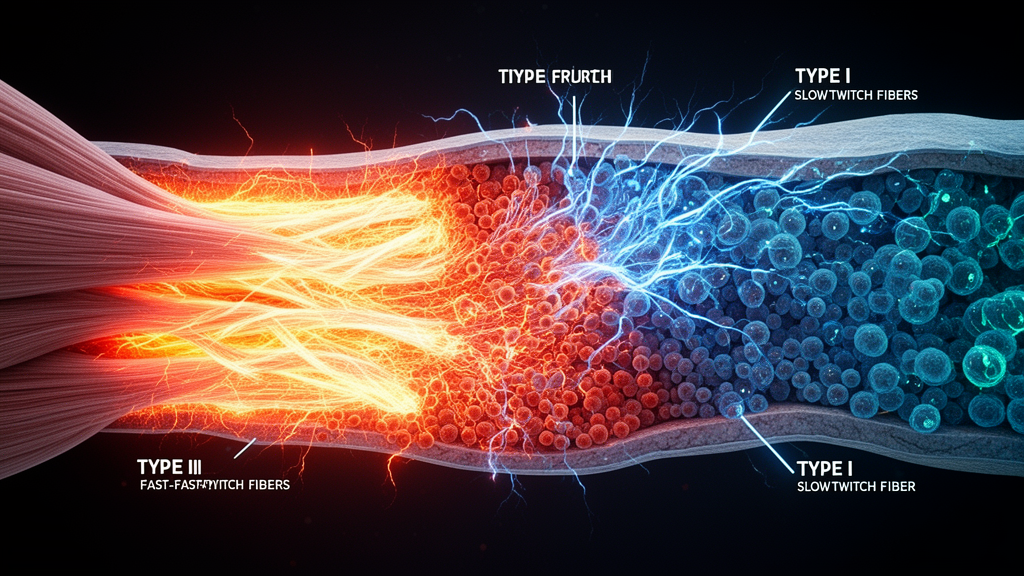
Your Type II fibers are powerful but fragile. Learn the science of fast twitch fiber recovery and why 90 seconds isn't enough for maximal growth.
Stop guessing when you are ready. Your heart rate tells you exactly how recovered you are. Learn to read the data and optimize your rest periods instantly.
The 5x5 program is legendary for building strength. But if your rest periods are wrong, you are just spinning your wheels. Here is the science of resting for heavy squats.
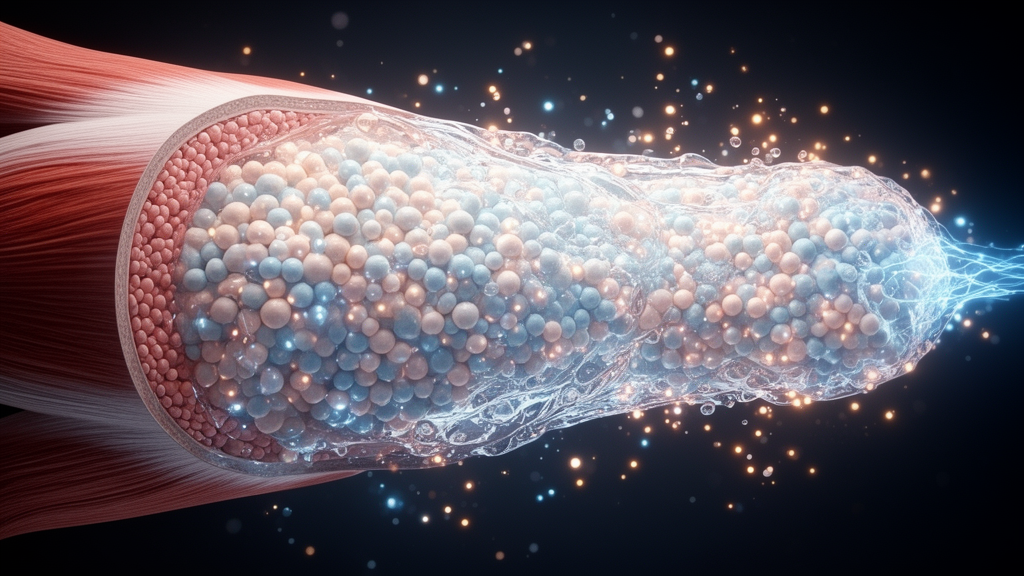
Bodybuilders swear by the pump, but science calls it sarcoplasmic hypertrophy. Learn the rest periods that maximize this non-contractile growth mechanism.
Why is 30 seconds the default rest period for so many lifters? We look at the history of this myth and why it is the worst possible time for most goals.
Isolation exercises aren't for strength—they are for mass. Learn why resting only 60 seconds is the secret to maximizing the effectiveness of your accessory work.
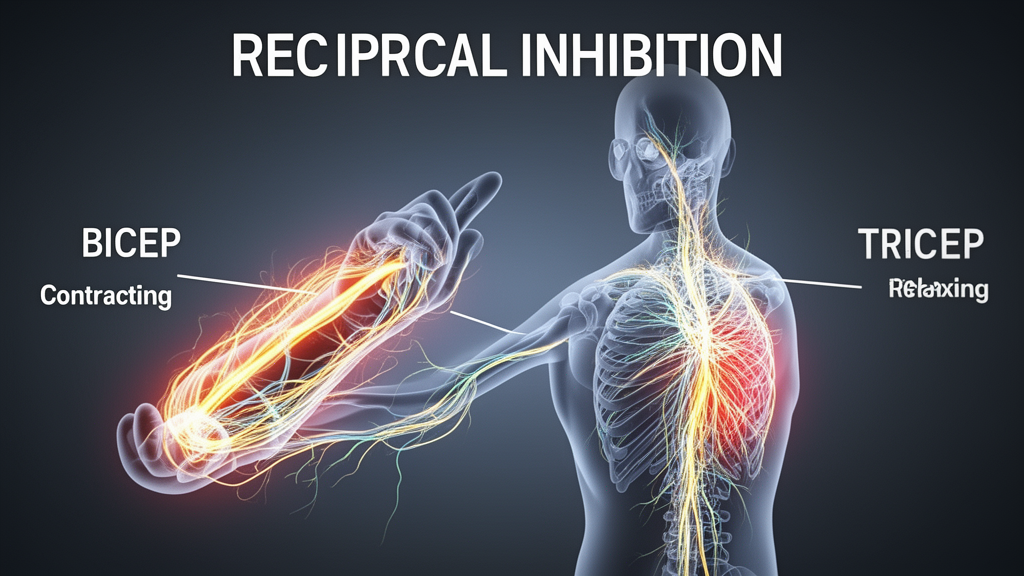
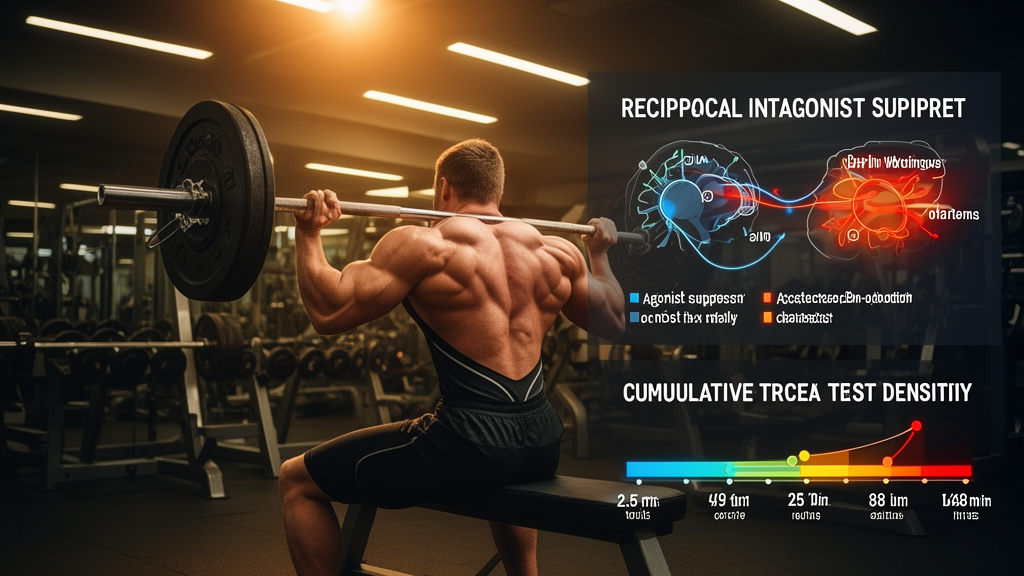
Why pairing opposing muscles is the most scientifically sound way to train. Learn about Reciprocal Inhibition and how to double your workout density safely.
Stop guessing your readiness. Learn how our rest timer uses physiological modeling to track your Central Nervous System recovery in real-time.
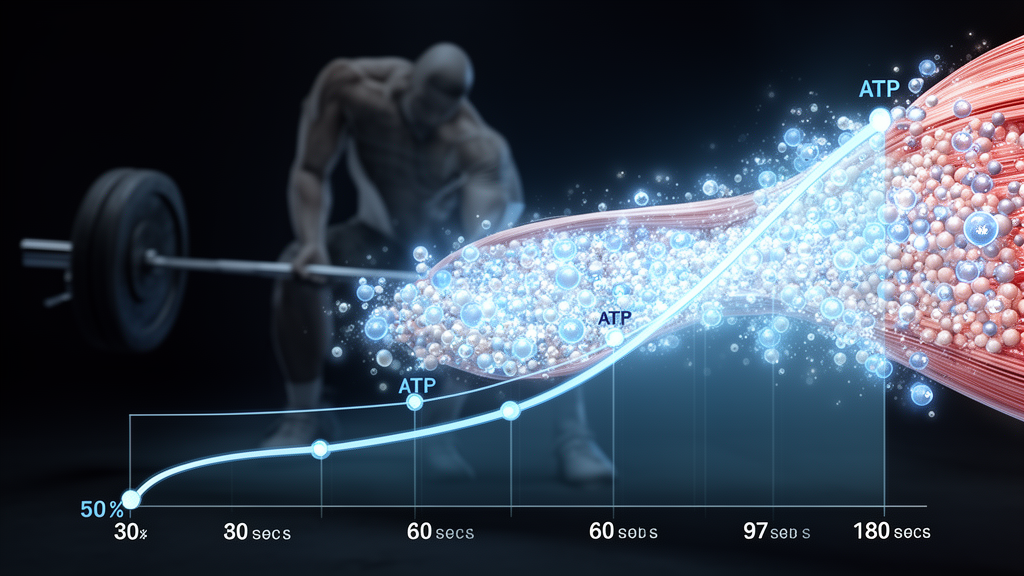
Why can you sprint for 10 seconds but not 60? It is the ATP-PC system. Learn the science of Adenosine Triphosphate replenishment rates per minute.
Deep dive into the ATP-PC energy system, creatine phosphate recovery kinetics, and why 30 seconds isn't enough for strength.
Why are you still using a static timer? Discover the power of auto-regulating rest periods and how software can predict your performance better than your own intuition.
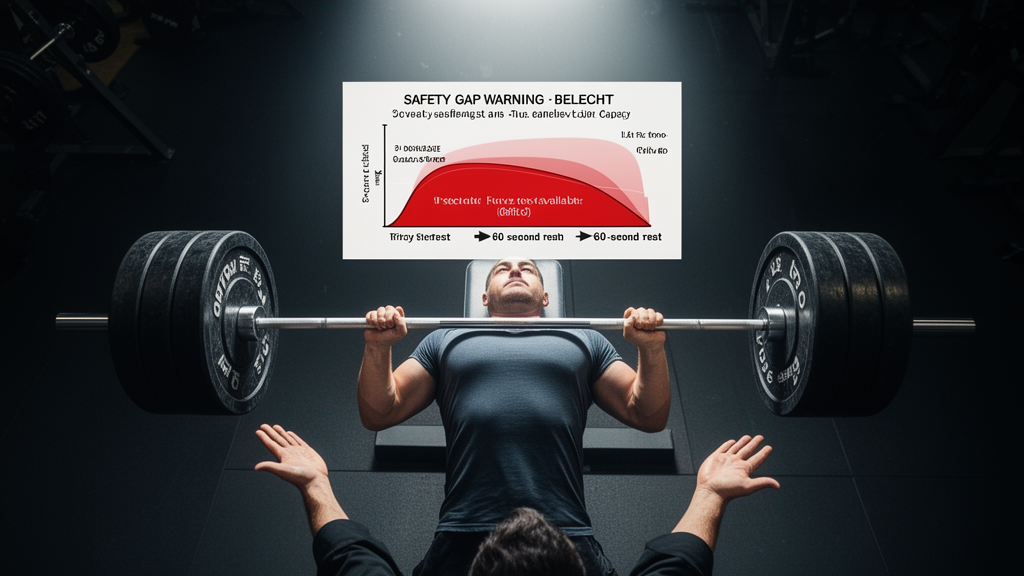
Bench press recovery is tricky. Learn the optimal rest times to maximize chest growth safely without dropping the bar.
Why do 5 straight reps when you could do 1+1+1+1+1? Learn how Cluster Sets allow you to lift heavier weights with higher velocity by hacking your rest periods.
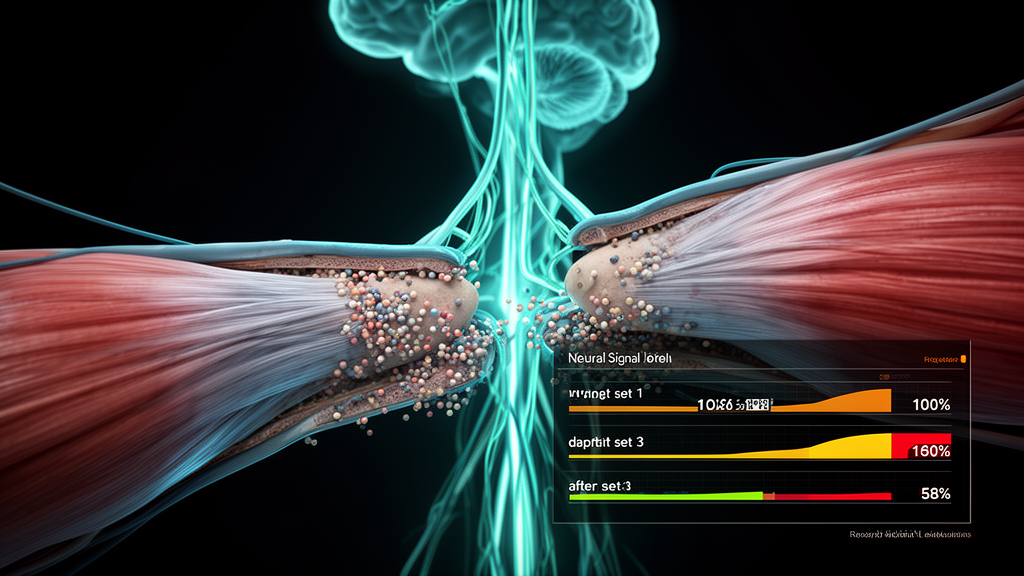
You aren't just tired. Your nervous system is drained. Learn the science of Central Nervous System fatigue and why it takes 5 times longer to recover than your muscles.
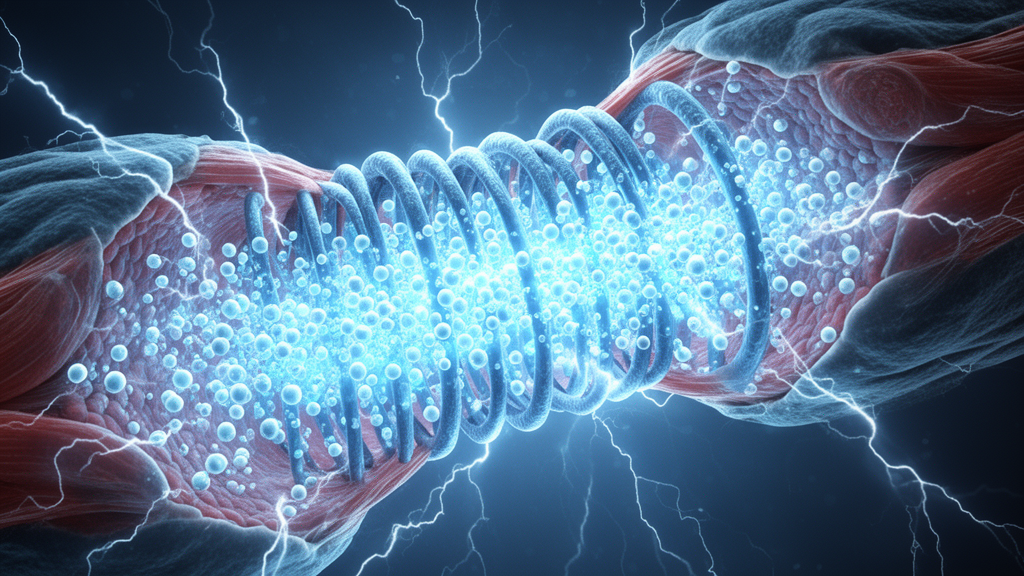
A deep dive into the biochemistry of phosphocreatine resynthesis. Learn the half-life of CP restoration and why it dictates your rest periods.
Stop wasting your heavy sets. Science shows why the Central Nervous System and ATP stores need more than 30 seconds to recharge for deadlifts.
Seeing stars after a heavy set? You aren't dying. You are experiencing a rapid drop in blood pressure. Learn the science of the Valsalva maneuver and how to prevent fainting.
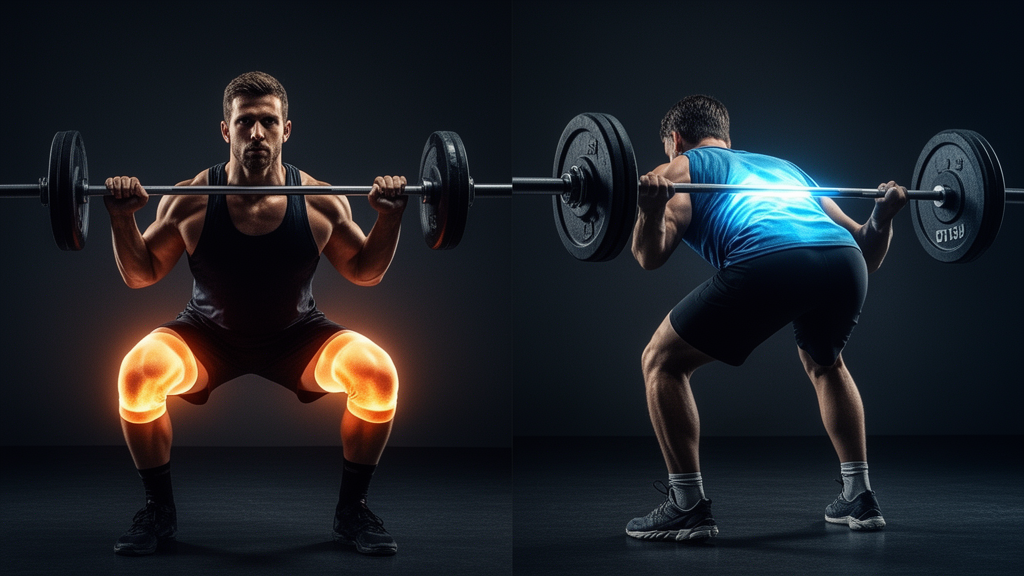
They look similar, but they fatigue you differently. Learn why the upper back limits the Front Squat and how to adjust your rest periods accordingly.
Thinking of trying the legendary 10x10 program? Be warned. The magic of German Volume Training lies in the strict rest periods. Here is why you must obey the clock.
Your hands aren't just tired. They are warning you. Learn why grip strength is the leading indicator of Central Nervous System or CNS fatigue.
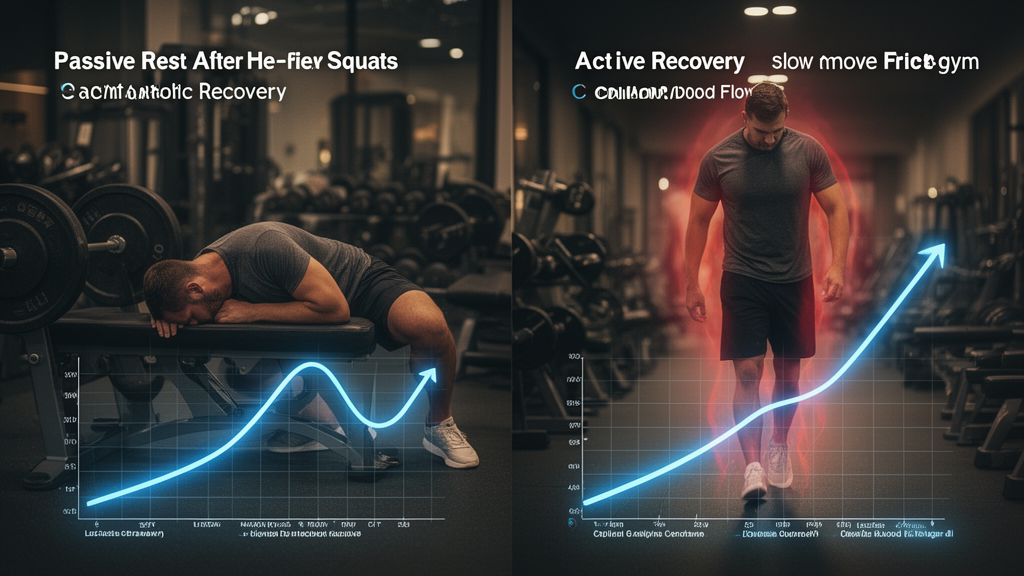
Sitting down might be killing your performance. Science shows that active recovery clears lactate twice as fast as passive rest. Learn the optimal intensity for recovery.
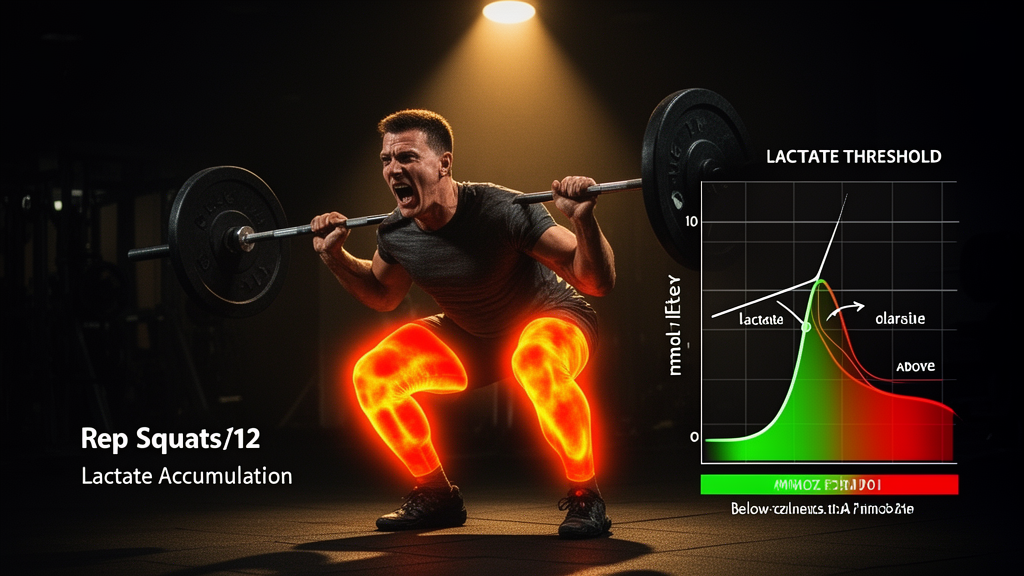
Lactate isn't the enemy—it's fuel. Learn the science of buffering capacity and how to optimize your rest intervals to crush high-volume sets.
Why you should rest differently for leg press than for squats. Unlock massive quad growth by manipulating metabolic stress on machines.
Stop guessing your intensity. Myo-Reps use 'breaths' instead of seconds to time your rest, ensuring you stay in the optimal zone for muscle growth.
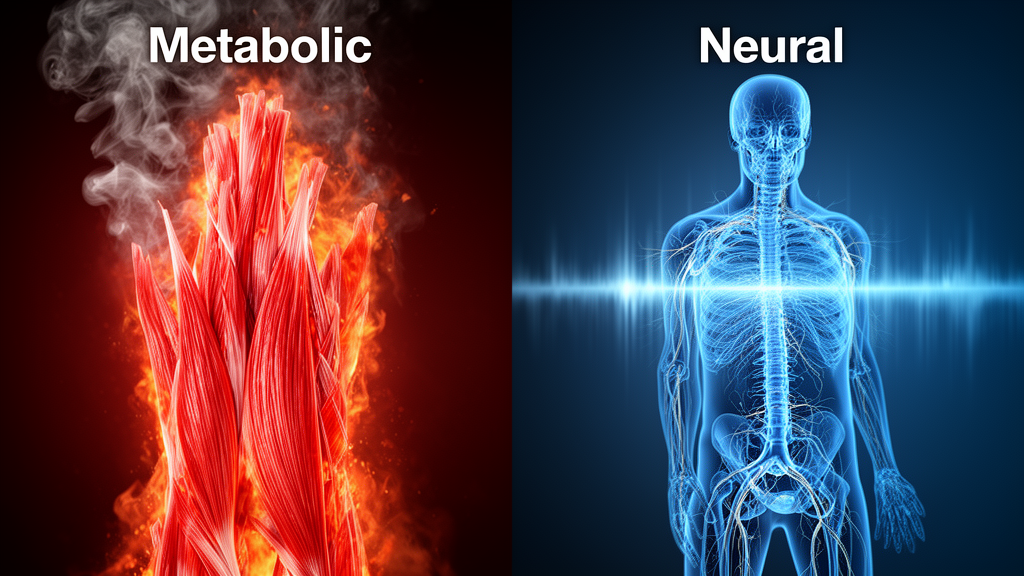
Is your muscle burning or is your brain drained? Learn the critical difference between metabolic stress and neural fatigue to optimize your training.
Stuck at the same weight on your overhead press? The OHP is notoriously sensitive to fatigue. Learn why precise rest intervals are the key to breaking plateaus.
Platform pressure is real. Learn why managing your rest periods during a powerlifting meet is the secret to hitting your third attempts. Don't leave your recovery to chance.
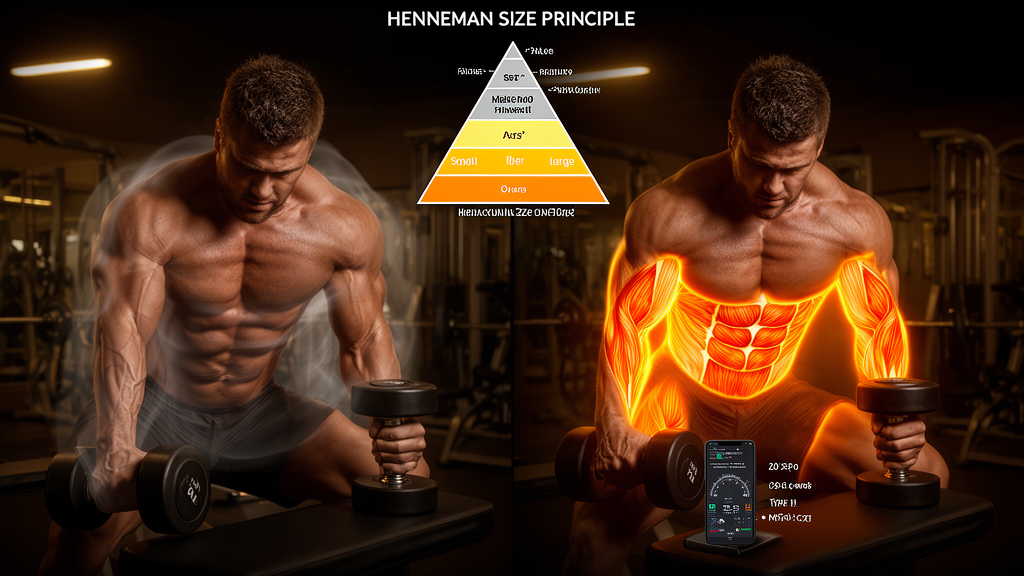
Stop doing junk volume. Learn how Rest-Pause training utilizes the Henneman Size Principle to stimulate more muscle growth in half the time.
Want to trigger massive growth in half the time? Rest-Pause training uses ultra-short micro-rests to recruit every single muscle fiber. Here is the protocol.
Training as an older athlete requires a different strategy. Learn why increasing your rest periods is the key to longevity and consistent progress after 40.
The definitive guide to rest period selection based on your training goal. Meta-analysis of 35+ studies reveals optimal timing.
Does short rest boost testosterone and muscle growth? We dive into the science of the acute hormonal response vs long-term muscle gains.
When you are in a calorie deficit, your recovery capacity drops. Learn why resting longer during a cut is the secret to keeping your hard-earned muscle.
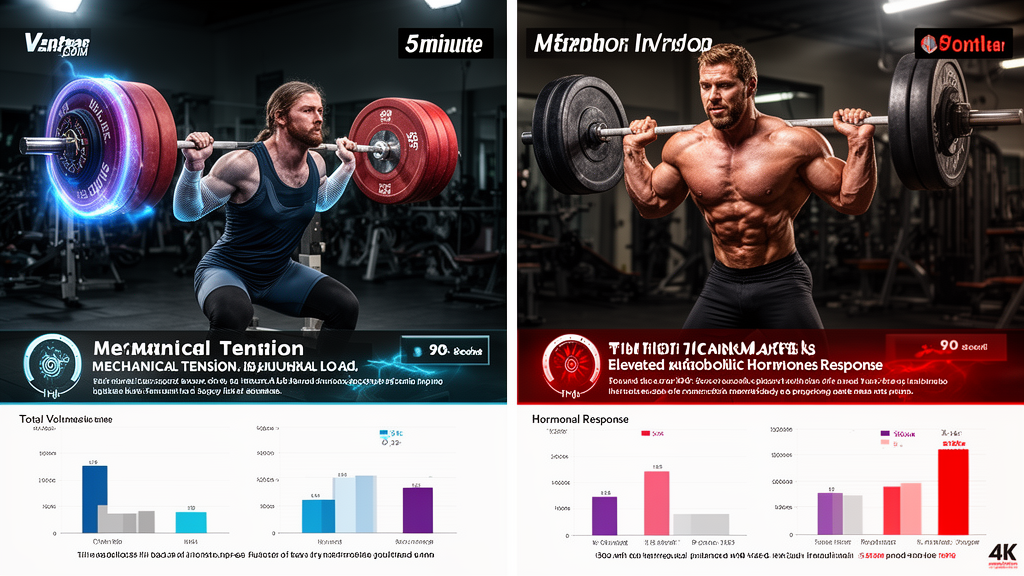
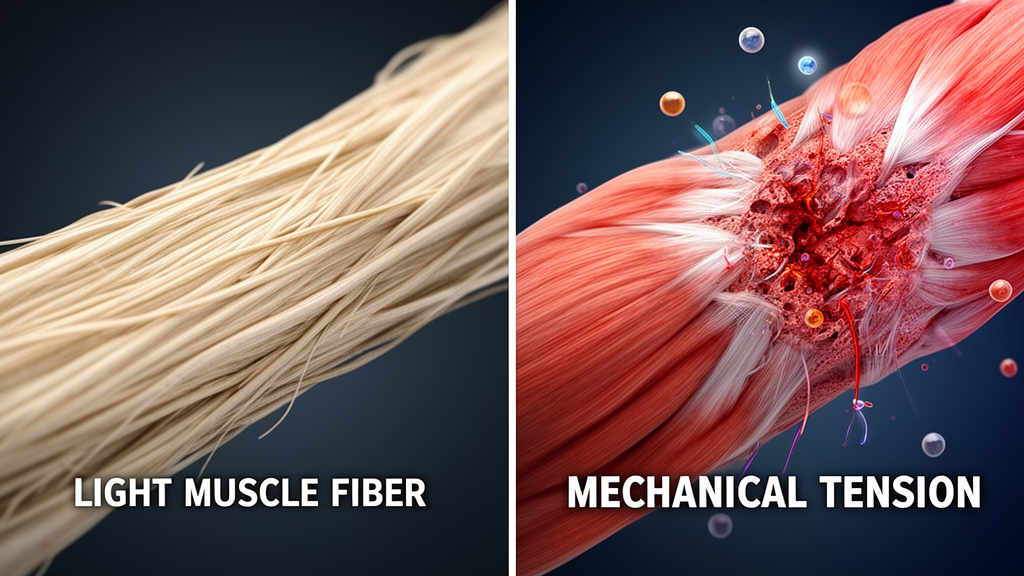
The old rule says 'rest 60 seconds for size.' New science suggests that resting longer allows for more volume, more tension, and ultimately more growth.
Is 5 minutes of rest dangerous? Learn the science of Post-Activation Potentiation known as PAP and when long rest periods start to hurt your performance.
RDLs destroy your hamstrings and lower back. Learn why they need longer rest periods than regular deadlifts to prevent form breakdown.
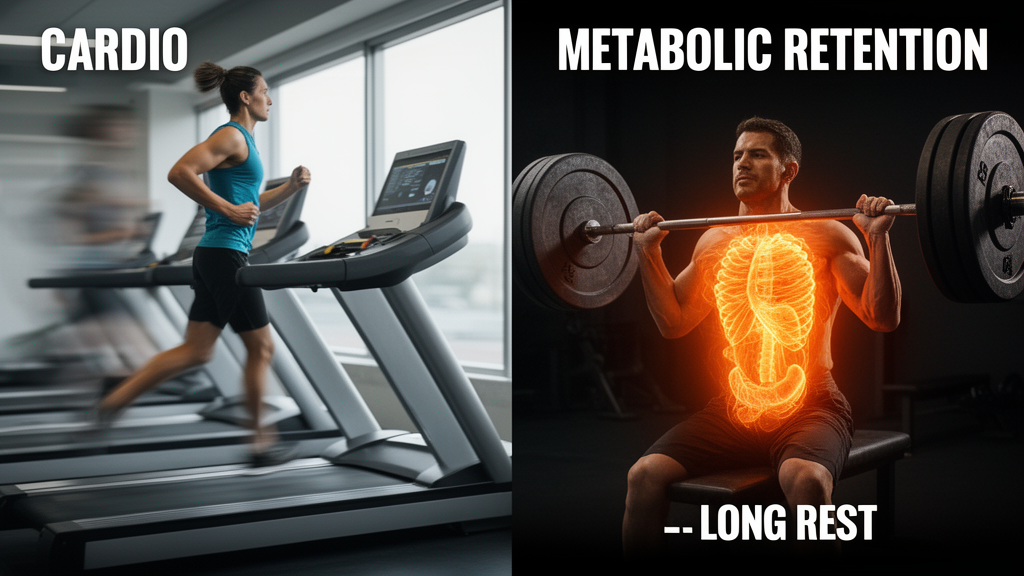
Is 'toning' just short rest in disguise? We look at the science of calorie burn vs muscle retention and why your rest timer isn't a fat loss tool.
Feeling like you could take a nap on the bench press? It might be 'Parasympathetic Overshoot.' Learn why heavy lifting makes you drowsy and how to wake up.
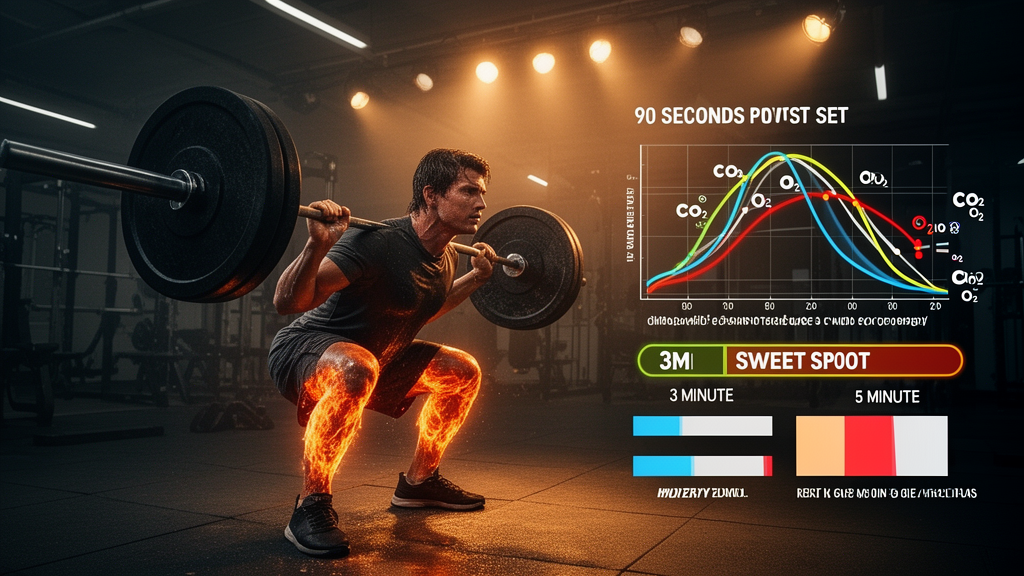
Squats create massive metabolic stress. Learn why the difference between 3 and 5 minutes of rest dictates whether you build size or strength.
Stop resting for 3 minutes. New 2025 research reveals how Agonist-Antagonist supersets use biological active recovery to build muscle faster.
Everyone knows supersets save time. But do they save too much time? We look at the data on workout density vs recovery to find the perfect balance.
Fixed timers are for joggers. Serious lifters need variable rest periods to account for different lifts, intensities, and fatigue levels. Learn why flexibility is the key to gains.
Don't waste your energy before the workout even starts. Learn why fast rest periods during warm-ups are the key to a better top set.
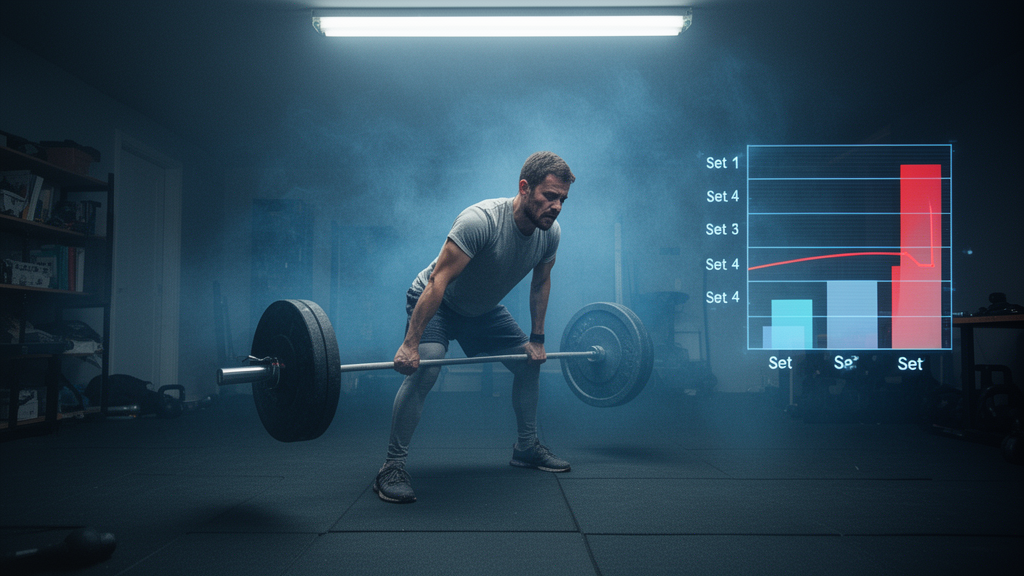
You crushed the first set, but the second one pinned you. Learn the science of the 'Performance Drop-Off' and how to fix your rest intervals.
Weighted pull-ups are a strength movement, not just an accessory. Learn why treating them like a deadlift with 3-5 minute rest periods unlocks massive back growth.
You aren't bored. Your brain is hot. Discover the surprising science behind workout yawning and why it might actually boost your performance.