Quick answer: yes, 3 minutes can build more muscle than 60 seconds, but not because longer rest is inherently anabolic. It lets you complete more reps at a given load, and that extra volume is what drives the growth. Two to three minutes is a sensible ceiling for most hypertrophy work.
The Science of Resting 3 Minutes Between Sets for Hypertrophy
For decades, bodybuilders have lived by the clock: 60 seconds of rest to “stay warm” and keep the pump. However, modern kinesiology is flipping this script.
When you look at the research, specifically a landmark 2016 study by Brad Schoenfeld, the data is clear: lifters resting 3 minutes between sets for hypertrophy gained significantly more muscle mass than those resting 60 seconds.
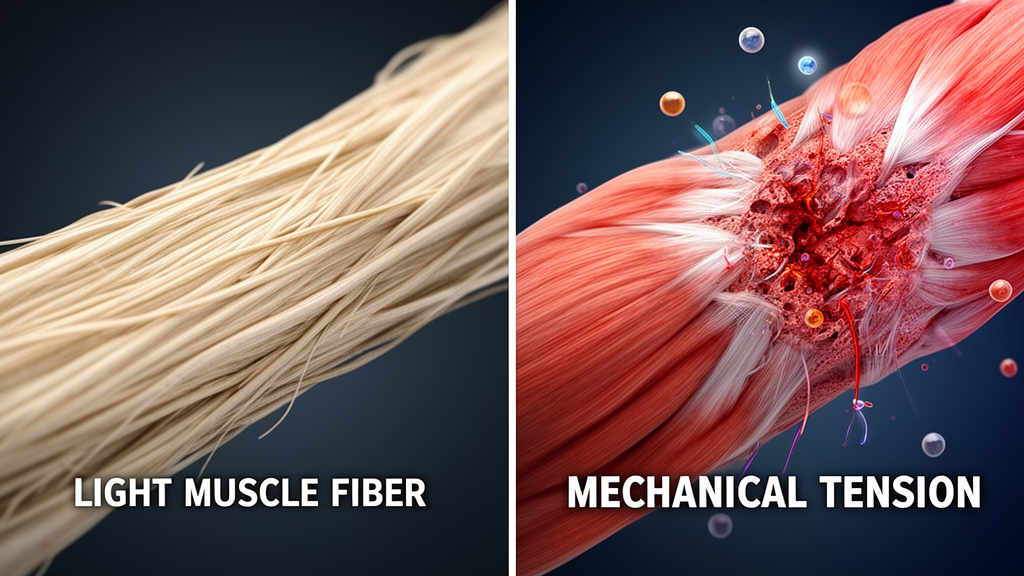
Mechanical Tension vs Metabolic Stress
To understand why longer rest works, we have to look at the two primary drivers of muscle growth:
- Mechanical Tension: This is the physical tension placed on the muscle fibers by heavy loads. It is widely considered the #1 driver of hypertrophy.
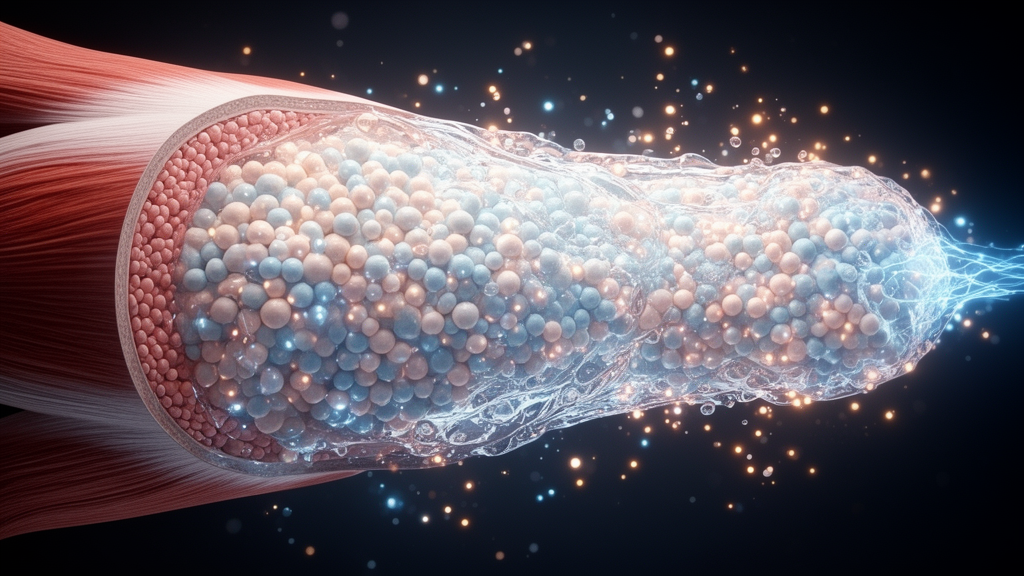
- Metabolic Stress: This is the “pump”—the accumulation of metabolites such as lactate and creatinine and local hypoxia. —While short rest of 60 seconds maximizes metabolic stress, it often sacrifices mechanical tension because you are too fatigued to lift heavy weights for high reps in subsequent sets. By resting 3 minutes, you recover your ATP-PC stores, allowing you to use heavier weights for more reps, which maximizes total volume and tension.
Let’s look at the math of two hypothetical lifters doing 3 sets of Bench Press with their 10RM or Rep Max.
Lifter A with 60 Seconds Rest
- Set 1: 225 lbs × 10 reps which is Easy
- Set 2: 225 lbs × 7 reps as fatigue kicks in
- Set 3: 225 lbs × 5 reps ending in failure
- Total Reps: 22
- Total Volume: 4,950 lbs
Lifter B with 3 Minutes Rest
- Set 1: 225 lbs × 10 reps which is Easy
- Set 2: 225 lbs × 10 reps as you are recovered
- Set 3: 225 lbs × 9 reps which is near failure
- Total Reps: 29
- Total Volume: 6,525 lbs
Lifter B performed 31% more volume. Over a year of training, that extra volume adds up to significantly more muscle tissue.
What About the Pump?
Metabolic stress also known as the pump is a mechanism for growth, but it is secondary to tension.
If you sacrifice weight on the bar or reps in the set just to “feel the burn,” you are likely shortchanging yourself. You are trading the main driver of growth, which is tension, for a secondary driver.
The Hybrid Approach
Does this mean you should always rest 3 minutes? No. That would make your workouts take 3 hours.
The smart approach is to prioritize:
- Compound Lifts such as Squats, Press, and Rows: Rest 3 minutes. Maximize tension and volume.
- Isolation Lifts such as Curls, Raises, and Extensions: Rest 60 to 90 seconds. Maximize metabolic stress.
Summary
Don’t be afraid to wait. If resting an extra minute allows you to get 2 more reps with a heavy weight, take the rest. Your muscles grow from the load you move, not just how tired you feel.