Quick answer: rest 45 to 90 seconds on isolation accessories like curls, raises, and extensions, and 2 to 3 minutes on heavier structural accessories like close-grip bench or pin deadlifts. Small muscles recover fast; the split below tells you which kind you are doing.
The Science: Rest Times for Accessory Movements Bodybuilding
You have finished your heavy squats. Now you are moving to Leg Extensions. Do you still need to rest 3 minutes? The answer is a definitive no.
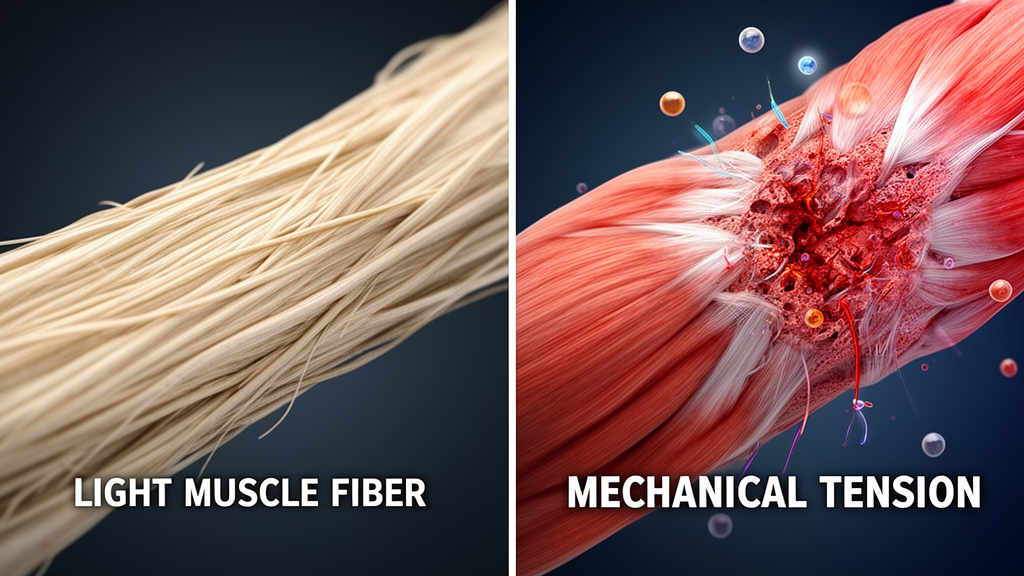
Optimizing rest times for accessory movements bodybuilding requires a shift in priority from absolute power to metabolic accumulation. While squats are about Mechanical Tension, accessory work is primarily about Metabolic Stress.
Metabolic Stress and Local Hypoxia
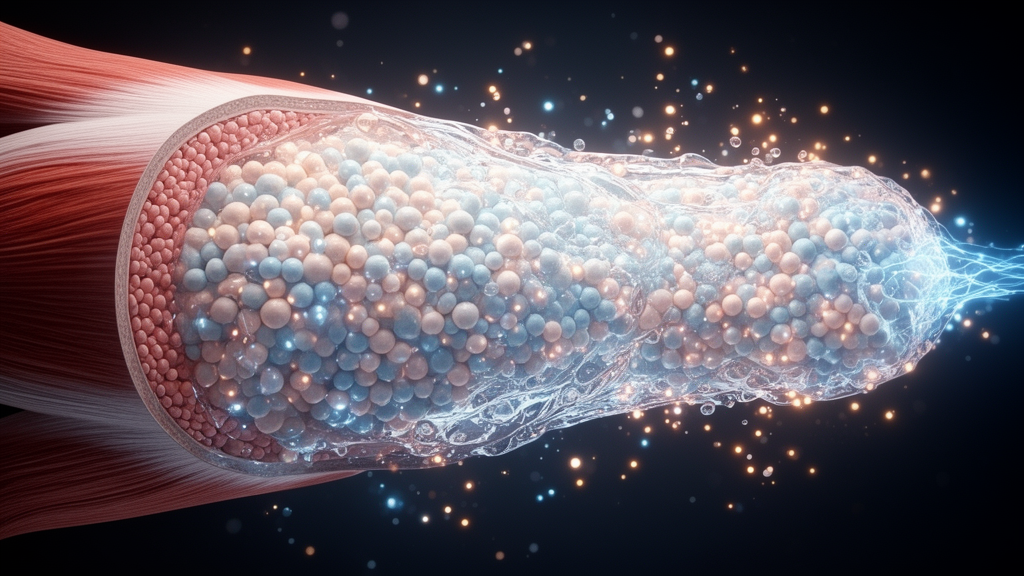
To grow smaller muscle groups like the biceps or deltoids, you want to create an environment with low oxygen known as hypoxia. This triggers a cascade of chemical signals—including increased growth hormone and IGF-1—that tell the muscle to expand.
By keeping your rest periods short, specifically 60 to 90 seconds, you prevent the muscle from “breathing.” You keep the blood trapped in the tissue, often called the pump, and maintain high intramuscular pressure. This “cellular swelling” is a key driver of sarcoplasmic hypertrophy, and it only happens when you keep the tempo high and the rest windows tight.
Why Small Muscles Recover Faster:
- Lower Motor Unit Recruitment: You aren’t “frying” your CNS with a tricep kickback.
- Increased Capillary Density: Many accessory-focused muscles have a high degree of blood flow, allowing for faster but incomplete waste clearance.
- Local vs. Systemic Fatigue: You are waiting for one muscle to cool down, not your entire core and nervous system.
The Goal: Hypoxia
To grow small muscles, you want to create an environment with low oxygen known as hypoxia. This triggers a cascade of chemical signals that tell the muscle to expand.
By keeping your rest periods short, of 60 to 90 seconds, you prevent the muscle from “breathing.” You keep the blood trapped in the tissue, also known as the pump, and you keep the acidity levels high.
This is the perfect recipe for growth in isolation exercises.
The Density Advantage
Short rest periods allow you to increase your Training Density—doing more work in less time.
If you rest 3 minutes between sets of curls, your workout will take hours. By resting only 60 seconds, you can crush 4 sets of accessory work in 5 minutes. This efficiency allows you to add more variety and volume to your session without staying in the gym until midnight.
The Two Types of Accessory Movement
Not all accessories are the same, and the split decides your rest.
Structural accessories support your main lifts by strengthening weak points and reinforcing technique. Think paused squats, pin deadlifts, and close-grip bench. The goal is strength and position, the loads are heavier, and you are still building neural efficiency. Rest 2 to 3 minutes so technique and force production hold up.
Hypertrophy accessories target a muscle in isolation to build size. Think curls, lateral raises, and leg extensions. The goal is metabolic stress. Rest 60 to 90 seconds to keep the pump while allowing partial ATP recovery.
Rest Times by Body Part
| Body part | Rest | Why |
|---|---|---|
| Arms, biceps and triceps | 60 to 75 seconds | Small muscles that recover fast; short rest holds the pump and time under tension |
| Shoulders, lateral raises | 45 to 60 seconds | Delts are fatigue-resistant and respond to higher volume |
| Legs, isolation work | 60 to 90 seconds | Larger muscles recover slower than arms; too short and rep quality collapses |
| Back, lats and traps | 90 to 120 seconds | Large muscles involved in many compounds, so more recovery than arms |
When to Adjust
If you are doing heavy accessory work such as Weighted Dips or heavy Rows, you might need to increase rest to 2 minutes.
But for pure isolation work, especially when you are chasing the pump:
- Bicep Curls: 60 Seconds.
- Lateral Raises: 45-60 Seconds.
- Leg Extensions: 60-90 Seconds.
- Face Pulls: 45 Seconds.
Programming Examples
Arm-day approach: close-grip bench 4 sets of 8 with 3 minute rest, overhead tricep extension 4 sets of 10 with 75 seconds, barbell curl 4 sets of 10 with 75 seconds, hammer curl 3 sets of 12 with 60 seconds.
Full-body approach: pull-ups 4 sets of 8 with 2 minute rest, dips 4 sets of 10 with 2 minutes, face pulls 3 sets of 15 with 60 seconds, bicep curl 3 sets of 12 with 60 seconds.
Summary
- Big Lifts: Long Rest of 3 to 5 minutes. Build the foundation.
- Small Lifts: Short Rest of 45 to 90 seconds. Polish the physique.
Use our Rest Timer to keep your accessory work crisp. Don’t let your “pump” session turn into a social hour.
Comparing lifts? The rest by exercise lookup shows the rest range for every major movement side by side.
For a full technique breakdown of the pressing accessory most people get wrong, see the dips guide.