Quick answer: shorter rest produces a larger acute spike in testosterone and growth hormone, but that spike does not translate into more muscle. The evidence linking these transient hormonal responses to long-term growth is weak, so choose rest for performance, not hormones.
The Debate: Short Rest vs Long Rest for Testosterone
For years, the “bro-science” community has pushed a specific narrative: “Rest only 60 seconds because it spikes your testosterone and growth hormone levels.” This idea was based on early studies showing that high metabolic stress leads to a significant acute rise in anabolic hormones.
However, when we look at the actual data for short rest vs long rest for testosterone, the picture is much less clear than the magazines would have you believe.
Acute Hormonal Response vs Chronic Adaptation
Modern exercise science makes a vital distinction between an “Acute Spike” and “Chronic Adaptation.”
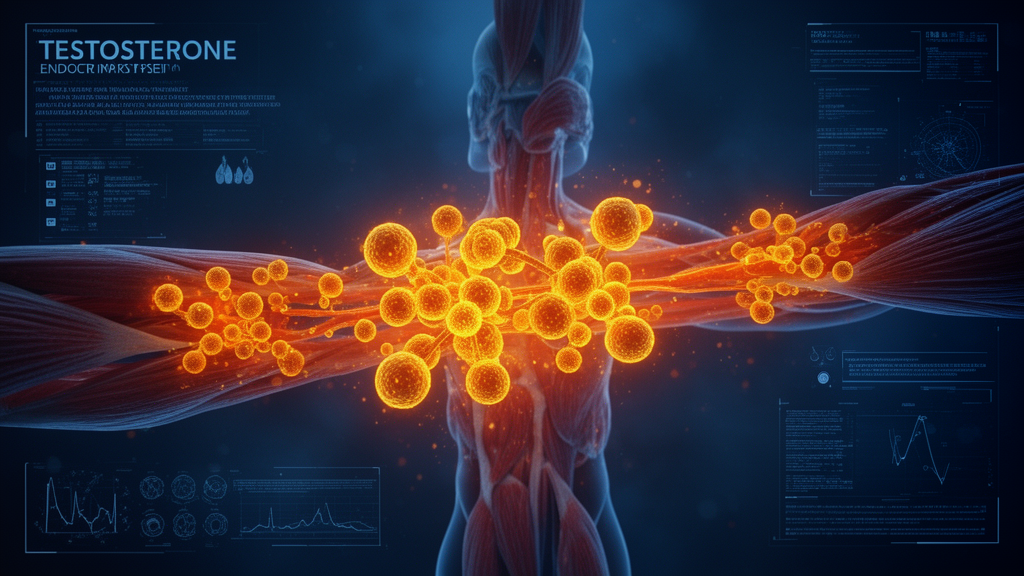
- The Acute Spike: It is true that 60-second rest periods cause a temporary surge in testosterone and GH immediately post-workout. This surge is a reaction to high levels of lactate and hydrogen ions.
- Chronic Adaptation: This spike is transient. It typically returns to baseline within 60 minutes. Crucially, meta-analyses of long-term studies have shown that these temporary spikes have zero correlation with actual muscle cross-sectional area, which is size, or 1RM strength.
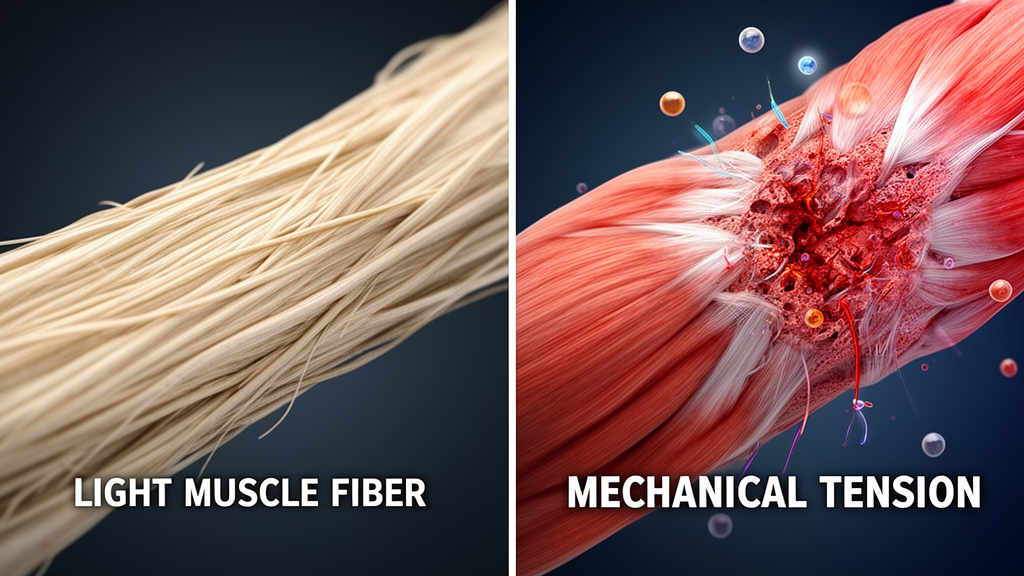
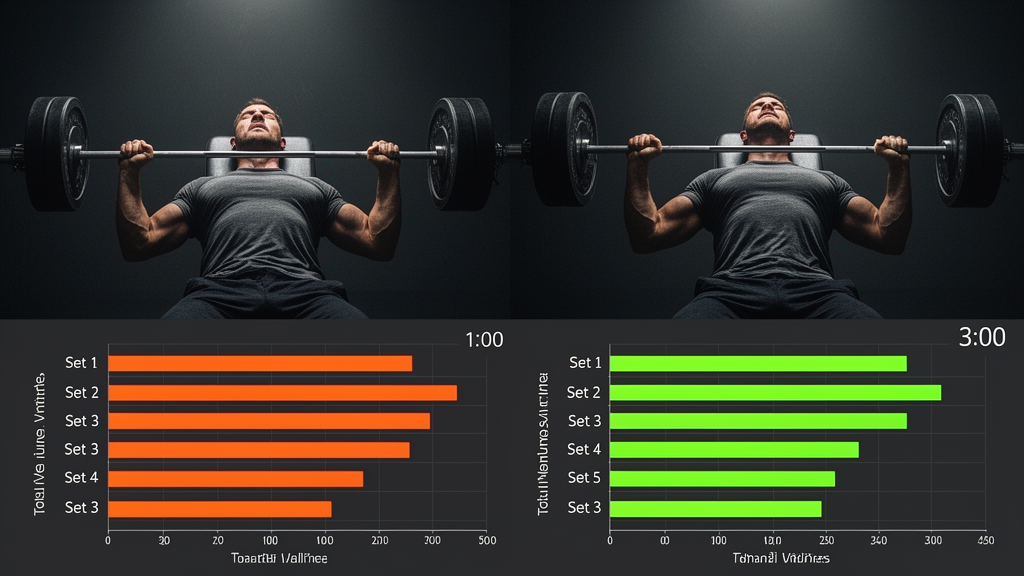
In fact, by favoring the “hormone spike” over performance, you may be hindering your results. Long rest periods of 3 or more minutes allow for more mechanical tension and higher total volume—the actual drivers of muscle tissue growth.
The Real Driver: Mechanical Tension
As we discussed in our article on 3-minute rest periods, the primary driver of growth is mechanical tension and total volume.
If you shorten your rest to 60 seconds just to get a “hormone spike,” but your strength drops and your total volume load decreases, you are actually losing out on muscle growth. You are trading a meaningful stimulus such as tension for a meaningless one, specifically a temporary hormone blip.
The Growth Hormone Connection
Growth hormone known as GH is particularly sensitive to lactate accumulation. Short rest periods create a lot of lactate, which triggers a massive GH release.
However, GH is not actually a primary muscle builder in healthy adults. Its main role in the body is fuel mobilization and tissue repair, not building new muscle fibers. The GH spike you get from short rest is more likely helping you burn a bit of extra fat and repair connective tissue, not adding inches to your biceps.
What Actually Matters for Testosterone?
If you want to optimize your testosterone for muscle growth, focus on these three things instead of your rest timer:
- Sleep: 7 to 9 hours of high-quality sleep is the #1 way to boost natural testosterone.
- Calorie Intake: Chronic undereating in large deficits crushes testosterone levels.
- Heavy Lifting: Lifting heavy weights with long rest allows for the recruitment of the most muscle mass, which provides the best long-term signal for hormonal health.
Summary
Stop worrying about the hormonal response of your rest periods.
- Short Rest: Good for “the pump” and time efficiency.
- Long Rest: Good for tension and total volume.
- Hormones: Irrelevant in the context of rest period selection.
Choose your rest based on the performance needs of the lift, not a temporary chemical spike.