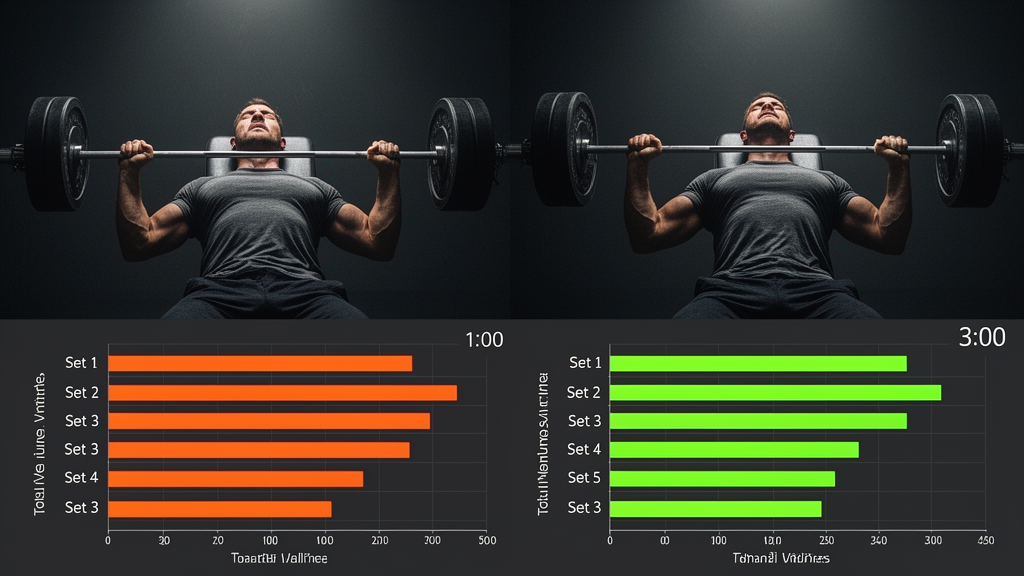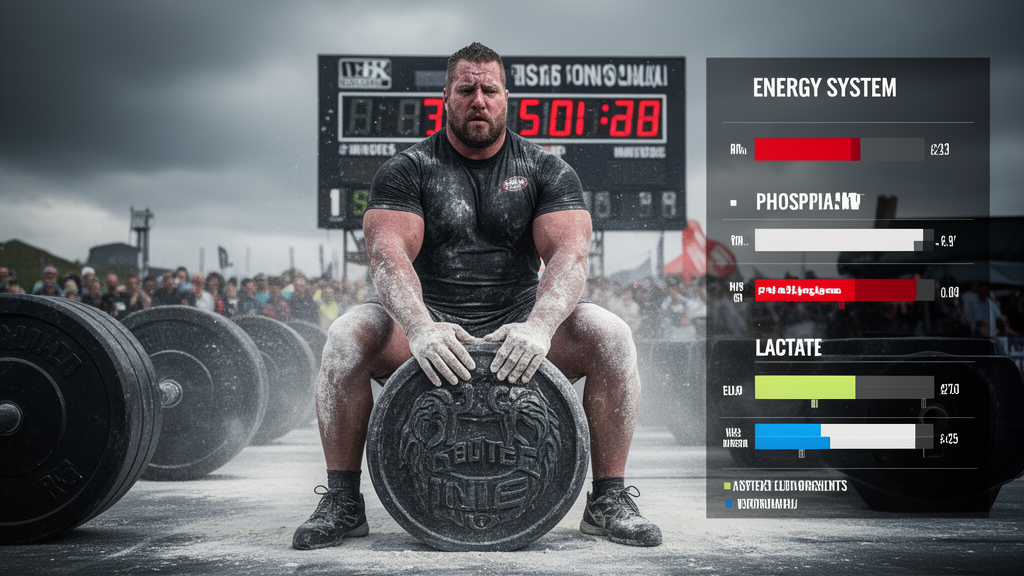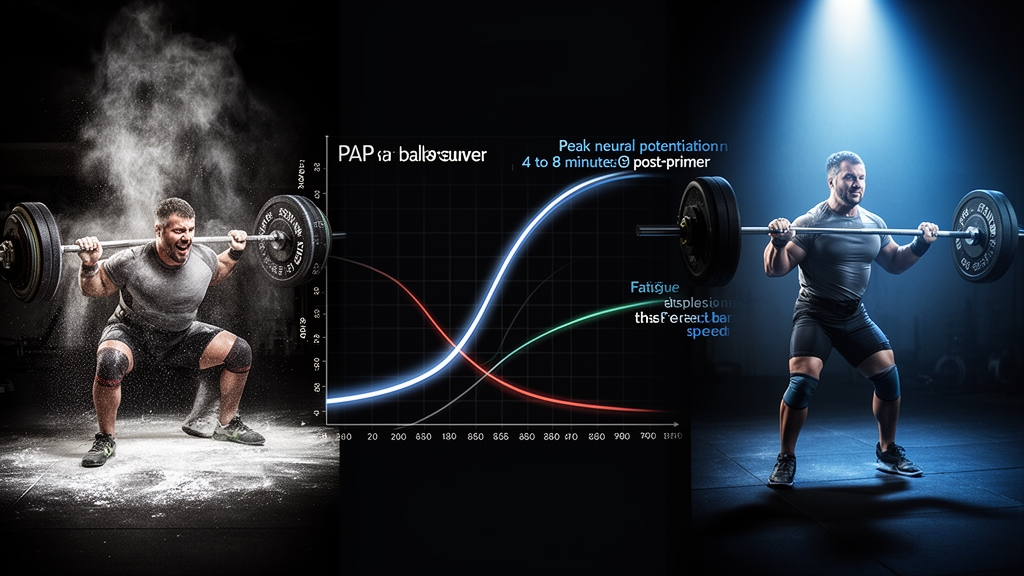
Quick answer: auto-regulating rest means the countdown adapts to your goal, load, set number, and how hard the set actually was, instead of running the same fixed number every time. The logic is straightforward, and this site’s rest recommender applies it without any app install.
The New Standard: Auto Regulating Rest Periods Software
In the 1990s, we used paper logs. In the 2010s, we used smartphone apps. In the 2020s, we are entering the era of Auto-Regulated Training. While most lifters apply auto-regulation to their weight and reps using RPE, very few apply it to the clock.
Using auto regulating rest periods software is the final step in removing the guesswork from your recovery.
Bio-Feedback and Neural Efficiency
The primary failure of the “static” 3-minute timer is that it assumes every day is the same. In reality, your neural efficiency fluctuates based on sleep, nutrition, and systemic stress.
Subjective “readiness” is often a poor predictor of actual force production. Adrenaline can make you feel ready too early, which often leads to missed reps, while mental fatigue can make you wait too long, which can kill your momentum.
How the Software Fixes This:
Auto-regulating software uses Mono-Exponential resynthesis models to provide a “Recovery Range” rather than a hard countdown.
- Complexity Scaling: The software understands that a Squat requires a different recovery curve than a Row.
- Intensity Benchmarking: If you are lifting at 90% of your 1RM, the “Green Zone” for your CNS move further out, ensuring you don’t stall on the platform.
- Readiness Visualization: By watching your physiological state decay and recharge in real-time, you are training your brain to recognize the internal signals of true neural readiness.
Software removes the bias.
What is Auto-Regulating Rest Software?
Auto-regulating software uses physiological models to determine the optimal rest window for a specific adaptation.
Instead of a countdown that ends at zero, it provides a Recovery Range.
The “Green Zone” Logic
Our software calculates your recovery curve based on:
- Lift Complexity: More joints = More rest.
- Rep Range: Higher reps = More metabolic clearance needed.
- Intensity: Closer to 1RM = More neural recharge needed.
The result is a dynamic visualization. It doesn’t just tell you “Wait 3 minutes.” It shows you when you have entered the “Green Zone” of optimal performance.
The Performance Payoff
By using auto-regulating software, you eliminate the two biggest killers of progress:
- Premature Failure: No more missing reps because you rushed.
- Stale Sessions: No more spending 2 hours in the gym when you could have finished in 75 minutes.
You are training with the precision of a laboratory, using data to dictate your density.
The Science in Your Pocket
Our Rest Timer is built on these principles of auto-regulation.
It is not just a clock; it is a brain. It accounts for the non-linear nature of recovery and the unique demands of strength vs. hypertrophy.
If you are still using a basic stopwatch, you are training in the past. It is time to upgrade your recovery.