Bench Press at a glance
Intermediate- Primary muscles
- Chest
- Equipment
- Barbell and bench
- Rest for strength
- 3 to 5 min
- Rest for hypertrophy
- 90s to 2.5 min
Also works: Triceps, Front deltoids
How to perform the bench press
 1

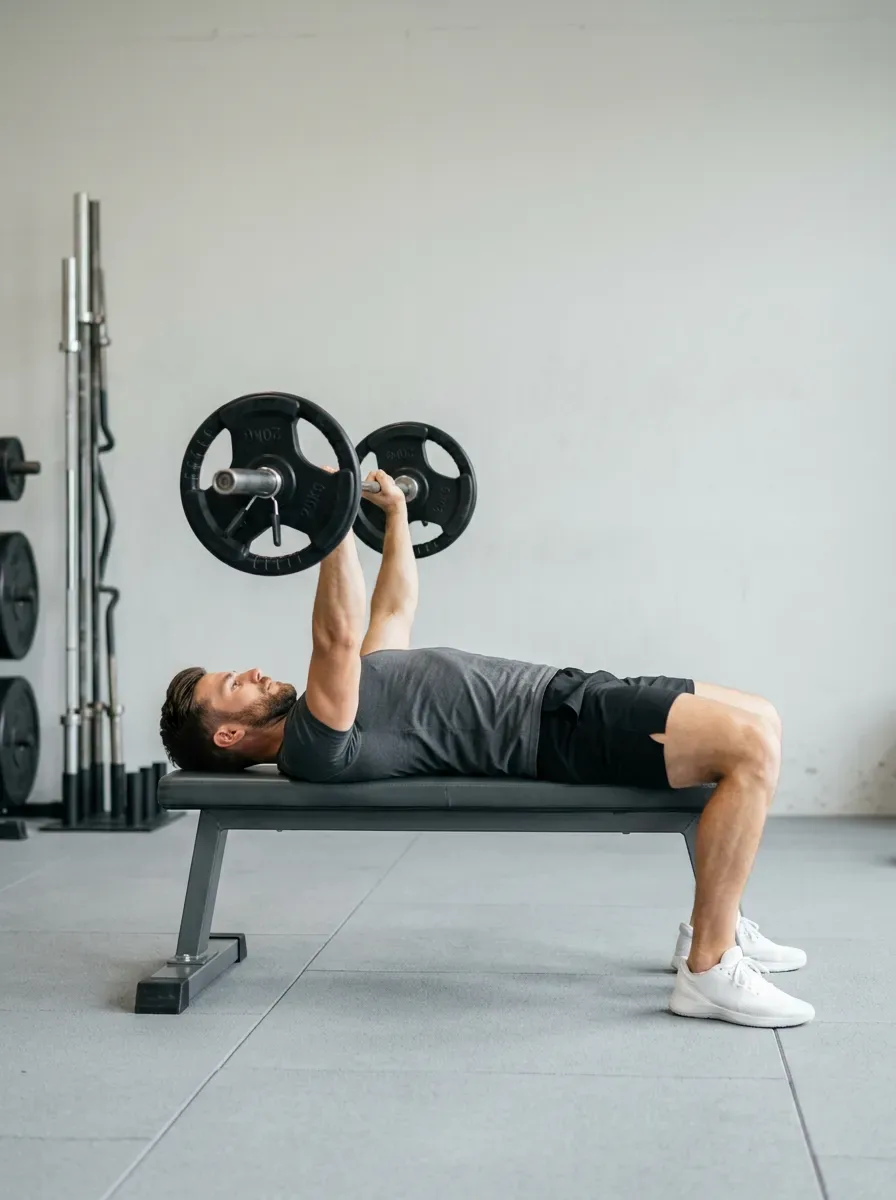
1Set up before you unrack
Pin your shoulder blades back and down, plant your feet, and take a grip slightly wider than shoulder width. Unrack to a straight-arm position over your chest.
 2
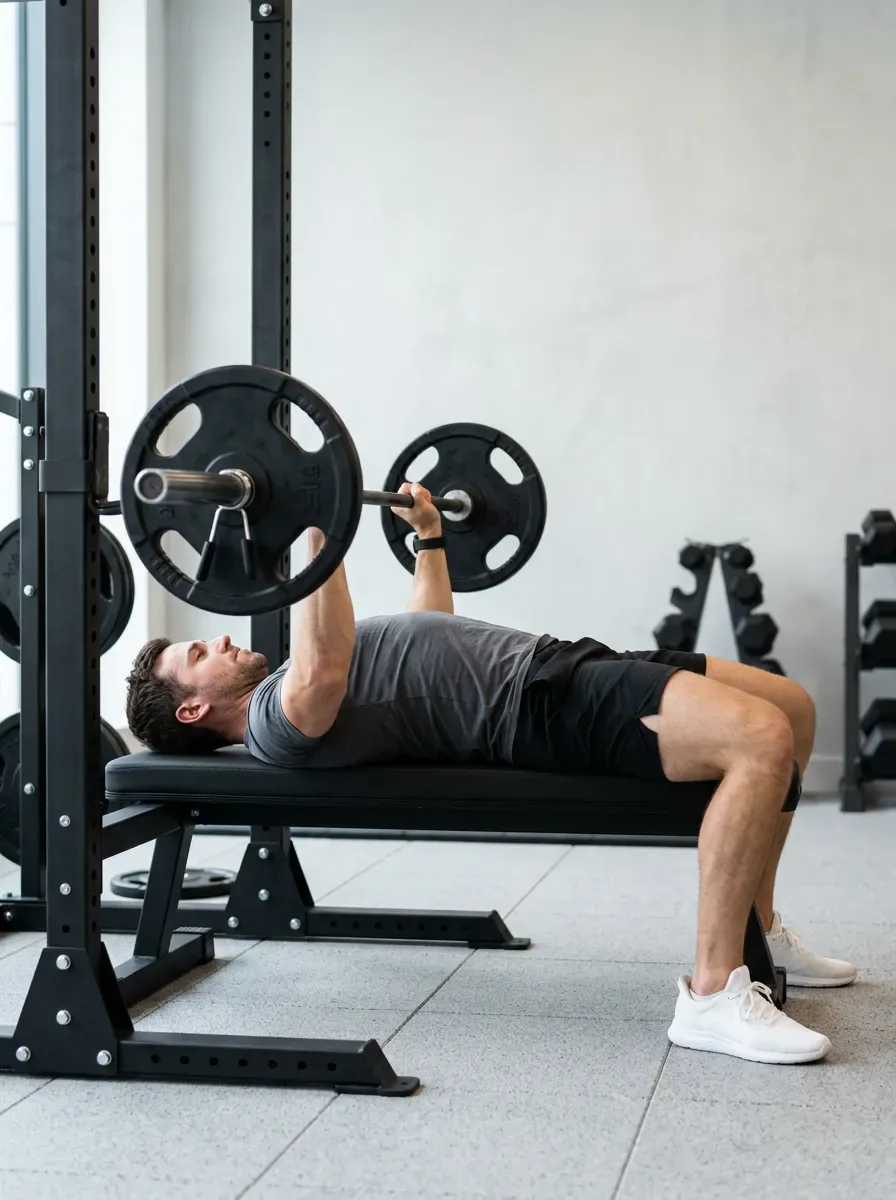
2Lower with tucked elbows
Lower the bar under control with the elbows at roughly 45 degrees. Keep the shoulder blades pinned and the upper back tight against the bench.
 3
3Touch and press
Touch the mid chest lightly without bouncing, then press up and slightly back toward the rack. Keep your feet driving into the floor throughout.
Common mistakes
Losing shoulder blade position
Fix: Retract and depress before unracking, and hold it. Once the shoulders roll forward, the joint takes load the chest should be handling.
Bouncing the bar off the chest
Fix: Touch lightly and control. Bouncing hides a weight you cannot yet handle and risks a rib injury.
Flaring the elbows to 90 degrees
Fix: Keep them near 45 degrees to protect the shoulder and keep the triceps contributing.
Feet moving during the set
Fix: Plant them and drive into the floor. Leg drive stabilises the whole press.
Variations and progressions
Incline bench press
Set to 15 to 30 degrees for more upper chest involvement.
Close grip bench press
Hands inside shoulder width, shifting emphasis to the triceps.
Paused bench press
A one-second pause on the chest removes momentum and builds strength off the bottom.
Dumbbell bench press
Longer range and independent arms, at the cost of absolute load.
Quick answer: rest 3 to 5 minutes between heavy bench sets for strength, 2 to 3 minutes for moderate work, and 60 to 90 seconds for hypertrophy accessory volume. Because the triceps fatigue faster than the chest and a failed bench is a genuine safety risk, err longer whenever the load is heavy. The details follow.
The Science of Optimal Rest Between Sets for Bench Press
Failing a bench press is dangerous. It is often the result of poor energy management rather than a lack of strength. Determining the optimal rest between sets for bench press requires understanding that upper body push muscles have unique recovery profiles.
Tricep vs. Pectoral Recovery Kinetics
In the bench press, your triceps are often the “weak link.” While your pectorals known as the chest are large and capable of substantial force, the triceps are smaller and fatigue more rapidly.
- Metabolic Acidosis: The burning sensation you feel is an accumulation of hydrogen ions. Smaller muscles like the triceps can be overwhelmed by this acidity faster than the chest.
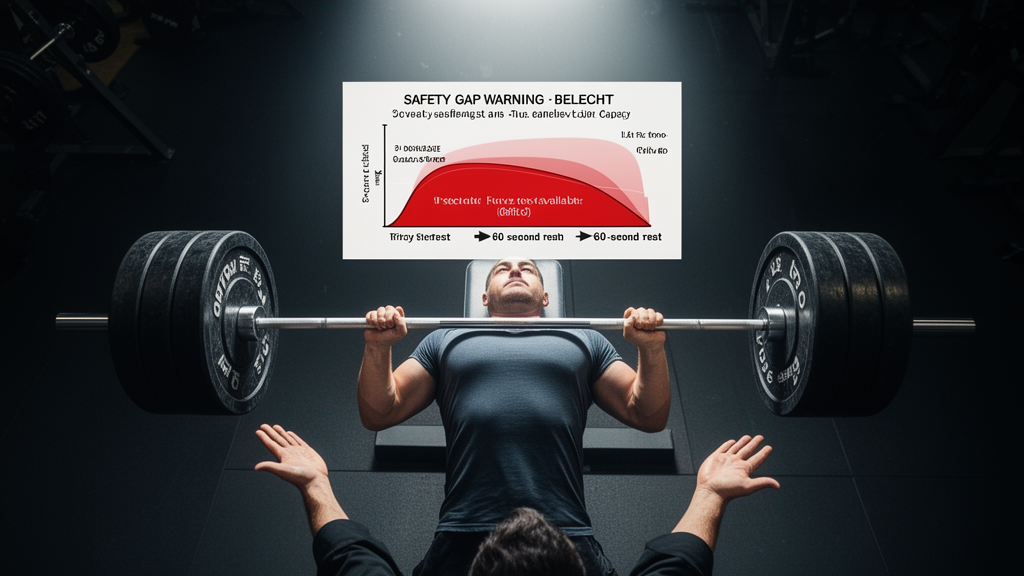
- ADP Accumulation: If you rest for only 60 seconds, your triceps may not fully replenish their ATP stores. This creates the “Safety Gap”—your chest has the power to push the bar off your sternum, but your triceps fail to lock the weight out.
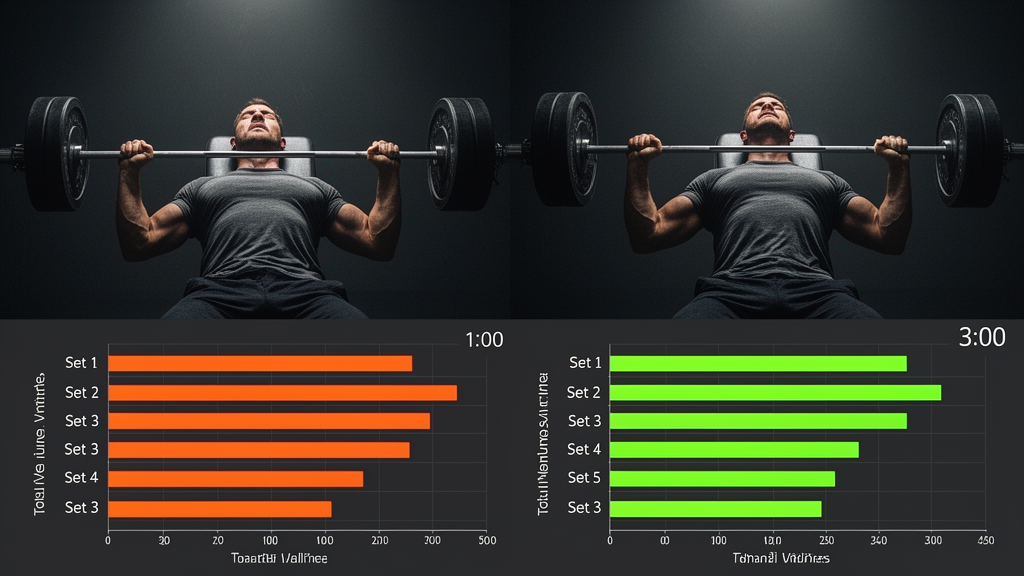
To maximize chest growth without tricep failure limiting your sets, you need a minimum of 2-3 minutes of rest for hypertrophy work, and 3-5 minutes for maximal strength.
The Safety Factor
Rest periods are a safety mechanism.
For heavy bench pressing, you are handling a load directly over your vital organs. Relying on a fatigued nervous system puts you at risk.
Research suggests that upper body push muscles recover slightly faster than lower body muscles, but they are also more prone to sudden failure. There is less warning before the muscle simply stops pushing.
Optimizing for Your Goal
For Powerlifting of 1 to 3 reps
Rest: 3 to 5 Minutes
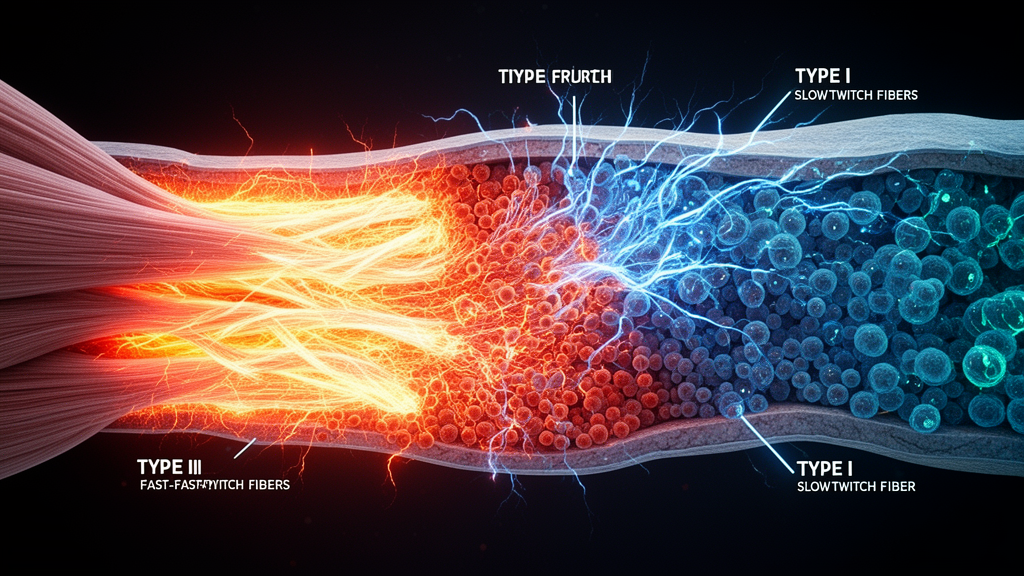
To build a massive bench, you need to recruit high-threshold motor units. These are the fast-twitch fibers that have the most potential for strength. They take a long time to recharge. Resting less than 3 minutes means you are training your endurance fibers, not your strength fibers.
For Bodybuilding of 8 to 12 reps
Rest: 90 Seconds to 2 Minutes
For chest growth, you want to accumulate fatigue in the pectorals. A slightly shorter rest period keeps the chest muscles under constant tension. However, be careful not to go too short. If you rest less than 90 seconds, your triceps might give out before your chest is fully stimulated.
The Spotter Reliance Trap
Many lifters cut their rest short because they have a spotter. They think it is safe to fail.
This is a mistake. Relying on a spotter to lift the weight for you robs you of gains. True strength is built by completing the rep yourself.
Give your body the time it needs to clear the waste products and recharge the batteries. You will find that you can handle more volume and heavier weights without needing a bailout.
Track Your Recharge
It is easy to get impatient on bench day. You want to keep pumping.
Our Rest Timer prevents this impatience. It shows you the scientific reality of your energy reserves. It reminds you that waiting another 60 seconds could be the difference between a new personal best and a failed lift.
Train with precision.
Before you get under the bar, the barbell plate calculator shows exactly which plates to load per side for your working weight.
Vertical pressing has a different fatigue profile, covered in rest intervals for the overhead press.
Comparing lifts? The rest by exercise lookup shows the rest range for every major movement side by side.
For a bodyweight pressing alternative that hits the chest and triceps hard, see the dips guide.