Romanian Deadlift at a glance
Intermediate- Primary muscles
- Hamstrings, Glutes
- Equipment
- Barbell
- Rest for strength
- 3 to 4 min
- Rest for hypertrophy
- 2 to 3 min
Also works: Lower back, Lats, Grip
How to perform the romanian deadlift

 1
1Start standing
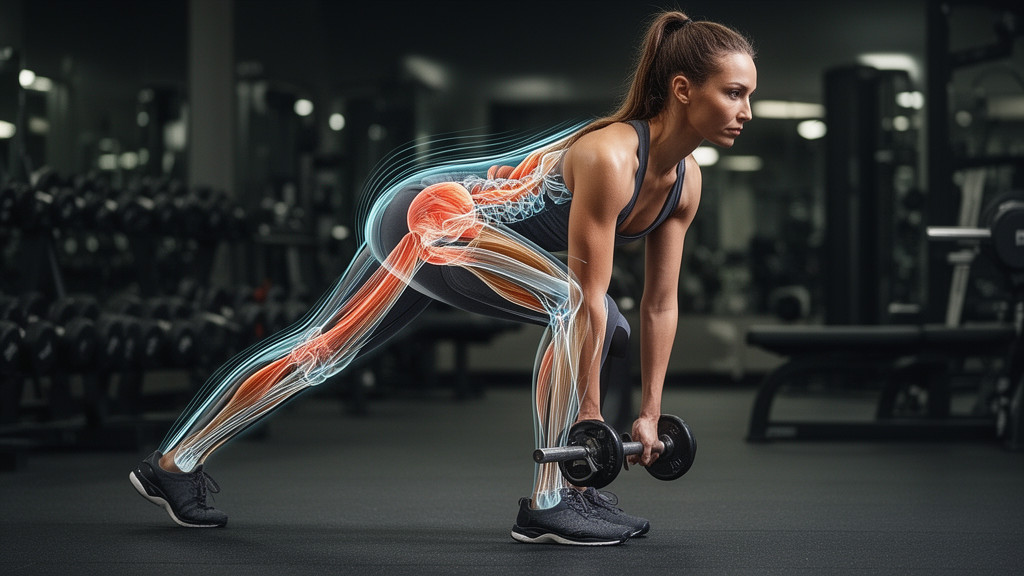
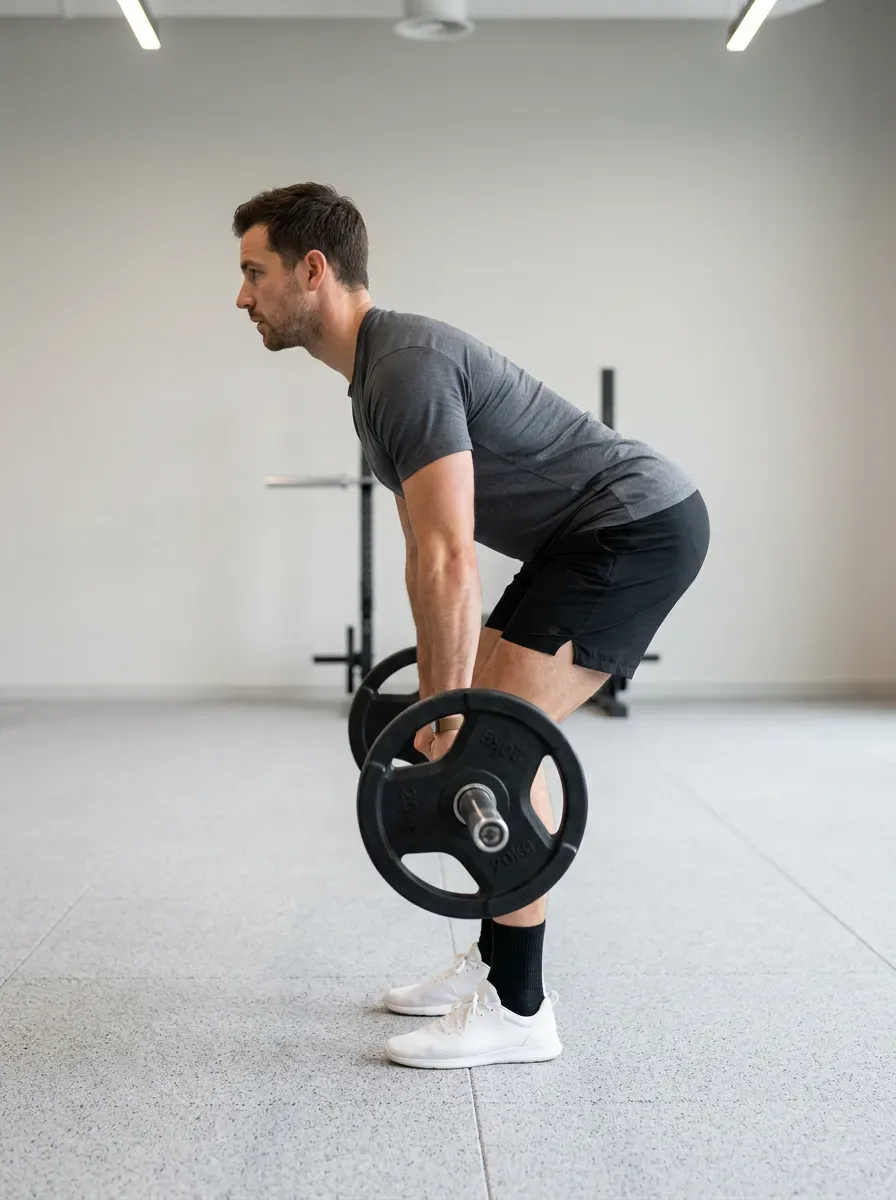
Begin at the top holding the bar against your thighs with a shoulder-width grip. Soften the knees slightly and set your lats so the bar stays close.
 2
2Push the hips back
Hinge by pushing your hips backward rather than bending your knees. The bar slides down your thighs while your back stays flat.
 3
3Stop at your hamstring limit
Lower until you feel a strong hamstring stretch, usually around mid-shin, then drive the hips forward to return. Stop before your back rounds.
Common mistakes
Turning it into a squat
Fix: The knees stay softly bent throughout. If they travel forward, you are squatting the weight rather than hinging.
Chasing depth past your range
Fix: Stop where your hamstrings limit you, not where the plates touch. Range beyond that comes from your spine.
Letting the bar drift forward
Fix: Keep it dragging down your legs. Any gap multiplies the load on your lower back.
Rounding at the bottom
Fix: Hold a flat back throughout. The moment it rounds, the set is finished.
Variations and progressions
Single-leg RDL
Huge balance and stability demand with far less load. Excellent for imbalances.
Dumbbell RDL
Easier to keep close to the body and gentler on the lower back.
Snatch-grip RDL
A wider grip increases the range and upper-back demand.
Good morning
Bar on the back rather than in the hands, removing the grip limit.
Quick answer: rest 2 to 3 minutes between RDL sets for hypertrophy and 3 to 4 minutes when training heavy for strength, which is longer than conventional deadlifts because the constant eccentric tension fatigues the hamstrings and lower back harder. Between sessions, give the posterior chain 48 to 72 hours before loading it hard again. Here is why.
The Science of Romanian Deadlift Recovery Time
The Romanian Deadlift also known as RDL is the ultimate hamstring builder. But it is also the ultimate lower back fatigue generator. Understanding your romanian deadlift recovery time is essential for both growth and spinal health.
Unlike the conventional deadlift where the weight rests on the floor between reps, the RDL keeps the weight floating. This creates a state of constant tension that taxes the nervous system differently.
Eccentric vs Concentric Fatigue
One of the main reasons RDLs are so taxing is the focus on the eccentric or lowering phase.
- Concentric Fatigue: This is what happens during a heavy concentric squeeze such as the up-phase of a deadlift. It is primarily driven by energy depletion or ATP.
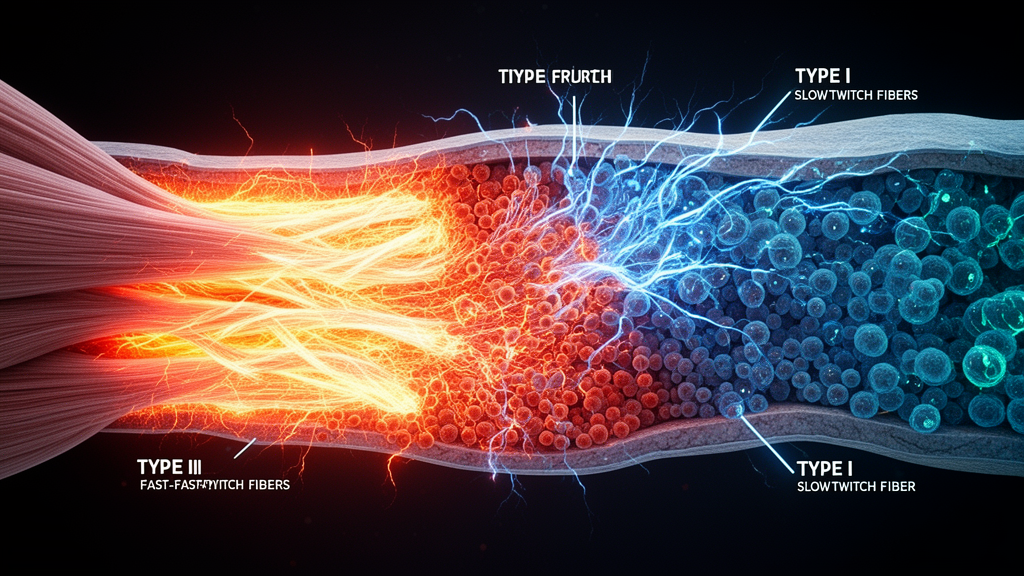
- Eccentric Fatigue: During the lowering phase of an RDL, your muscles are being stretched while they are contracting. This creates mechanical damage at the microscopic level. This type of fatigue takes much longer to recover from than simple energy depletion.
Because of this intense eccentric component, your romanian deadlift recovery time between sets must be long enough to allow the spinal erectors to regain their bracing capacity.
Rest Guidelines
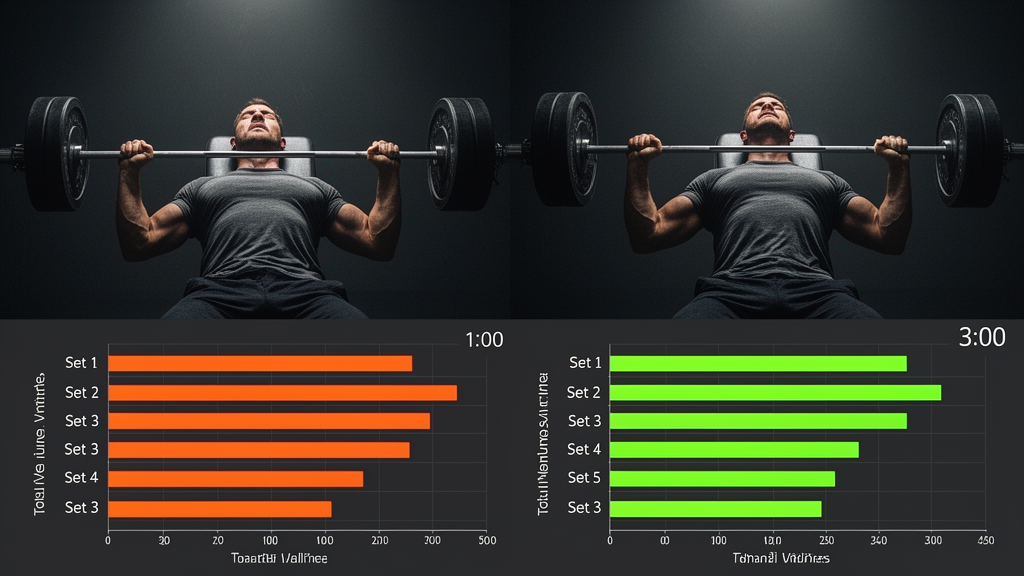
For Hypertrophy of 8 to 12 reps
Rest: 2 to 3 Minutes
You might be tempted to rest only 60 seconds because “it’s just an accessory movement.” Do not.
You need your spinal erectors to flush out the lactate and recover their isometric strength. If your back is “pumped,” wait until the pump subsides. A pumped lower back loses its proprioception which is position sense, making it hard to hold a neutral spine.
For Strength of 5 to 8 reps
Rest: 3 to 4 Minutes
If you are going heavy, treat it like a main lift. The neural demand of stabilizing the hinge pattern is high.
The Grip Factor
RDLs are often done for higher reps than deadlifts. This taxes your grip significantly.
If your hands are tired, you will subconsciously round your shoulders forward. This pulls your spine out of alignment.
Use straps. Unless you are training for a grip competition, always use straps for heavy RDLs. It allows you to focus 100% on the hamstrings and saves your CNS from grip-related fatigue.
Active Recovery for the Back
Between sets, do not sit hunched over on a bench.
- Stand Up.
- Walk Around.
- Gently Move: Do some very light hip circles or air hinges to keep blood flowing to the lumbar region.
Summary
The RDL is one of the best exercises for the posterior chain, but it has a high “fatigue cost.”
- Standard Deadlift: High CNS Fatigue.
- RDL: High Local Muscular Fatigue in the Back and Hamstrings.
Respect the fatigue. Rest until your back feels strong, not tight.
Loading each RDL working set is faster with the barbell plate calculator, which shows plates per side in kg or lb. Home gyms with a thin plate set can check every reachable total on the reverse plate calculator.
Comparing lifts? The rest by exercise lookup shows the rest range for every major movement side by side.