Quick answer: muscle contraction depends on calcium being released and then pumped back into the sarcoplasmic reticulum. Under fatigue that reuptake slows and calcium release falls, so the muscle cannot contract as forcefully even when it feels willing. This is a large part of what rest between sets is actually restoring.
You are halfway through a set of 10 reps. You have done this weight a hundred times. But today, on rep 6, your muscle just… stops. You feel like you have hit a wall.
It is not your brain. It is not your fuel. It is your calcium.
The Calcium Story
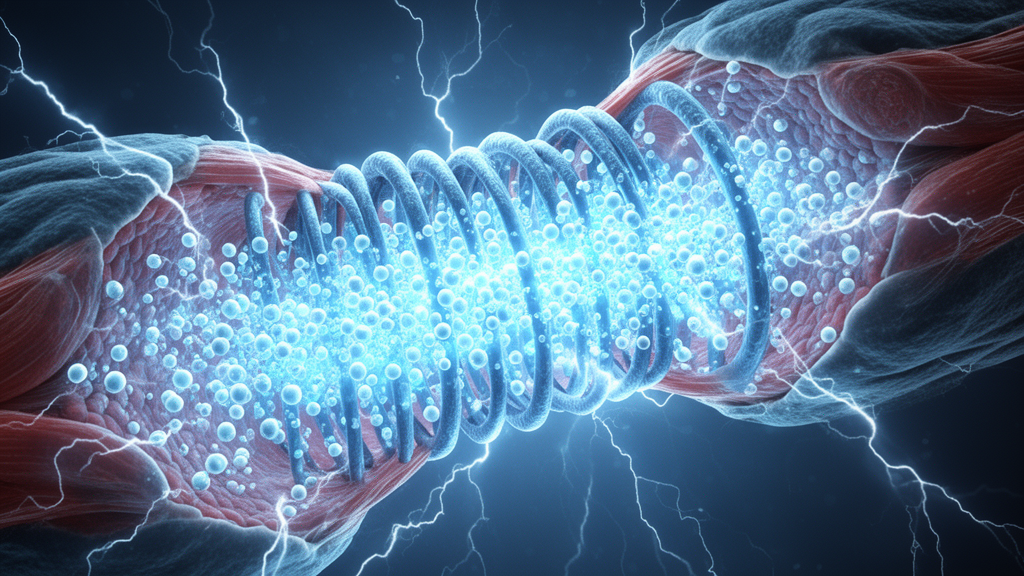
Every muscle contraction begins with a calcium release. When your brain sends a signal down the motor neuron, calcium ions flood from the sarcoplasmic reticulum into the muscle cell. These ions bind to troponin, which moves tropomyosin, exposing the binding sites on actin. The myosin heads attach, and the muscle contracts.
This is the Excitation-Contraction Coupling process.
But what happens when this process breaks down?
Calcium Uptake Failure
The muscle has two jobs: release calcium to contract, and reuptake calcium to relax. When you fatigue a muscle, the calcium uptake mechanism starts to fail.
The Mechanism
- Fatigue Accumulation: Hydrogen ions such as those from lactate and inorganic phosphate resulting from ATP breakdown interfere with the calcium release channels.
- Sarcoplasmic Reticulum Fatigue: The SR, which stores calcium, becomes less efficient at releasing and reuptaking calcium.
- Contractile Desensitivity: Even if calcium is released, the contractile proteins become less sensitive to it. It takes more calcium to produce the same force.
The Result
You can have 100% ATP stores and still be weak. The signal is not reaching the muscle. This is why you feel “blocked” on a set even though you are not out of breath.
Why Rest Fixes Calcium Uptake
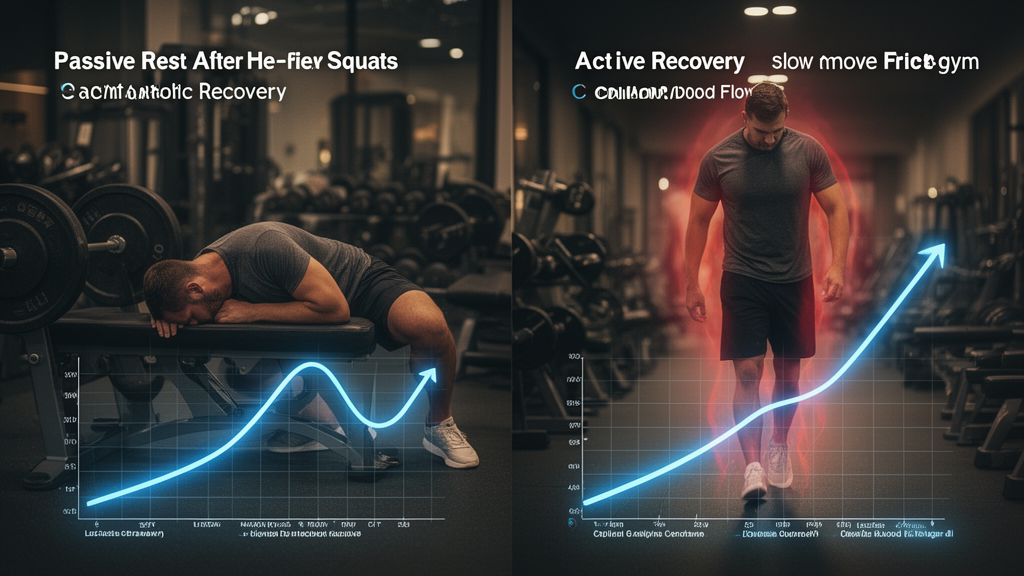
When you rest between sets, three things happen that restore calcium handling.
1. pH Restoration
Rest allows hydrogen ions to clear from the muscle cell. As pH returns to normal, the calcium channels function more efficiently.
2. ATP Restoration
Calcium uptake is an active process powered by ATP. The SERCA pump known as Sarco/Endoplasmic Reticulum Calcium-ATPase uses ATP to pump calcium back into the SR. Without ATP, calcium stays in the cytosol, and the muscle cannot relax or contract properly.
3. Phosphocreatine Resynthesis
PCr helps regenerate ATP. More PCr means more ATP means better calcium handling. This is why rest periods for strength training are so long.
The Rest Period Prescription
For Power and Strength of 1 to 5 reps
- Rest: 3 to 5 minutes.
- Why: You need full ATP-PC restoration for both force production and calcium handling.
For Hypertrophy of 8 to 12 reps
- Rest: 60 to 90 seconds.
- Why: Moderate rest allows partial calcium sensitivity recovery while maintaining metabolic stress.
For Endurance of 15 or more reps
- Rest: 30 to 60 seconds.
- Why: The calcium system is not the limiting factor; cardiovascular output is.
Practical Signs of Calcium Fatigue
How do you know if calcium fatigue is your limit?
The Signs
- Sudden Weakness: You go from strong to zero in one rep.
- Muscle Spasms: The muscle twitches uncontrollably.
- Inability to Contract: The muscle feels “turned off.”
The Fix
Extend your rest period by 30 to 60 seconds. Your calcium uptake needs that extra time to reset.
Supplements That Help Calcium Handling
1. Beta-Alanine
Beta-alanine increases carnosine levels, which buffers hydrogen ions. By reducing acidity, it indirectly improves calcium sensitivity.
2. Taurine
Taurine helps regulate calcium flow in muscles. Some athletes report reduced muscle fatigue with taurine supplementation.
3. Magnesium
Magnesium competes with calcium for binding sites. Ensuring adequate magnesium status helps maintain proper calcium-magnesium balance for optimal contractile function.
Summary
Calcium ion uptake failure is one of the hidden causes of muscle fatigue. When your calcium handling breaks down, you can have all the fuel in the world and still fail.
The solution is simple: rest long enough for your calcium pumps to reset. Use our Rest Timer to give your muscles the time they need to restore this critical function.