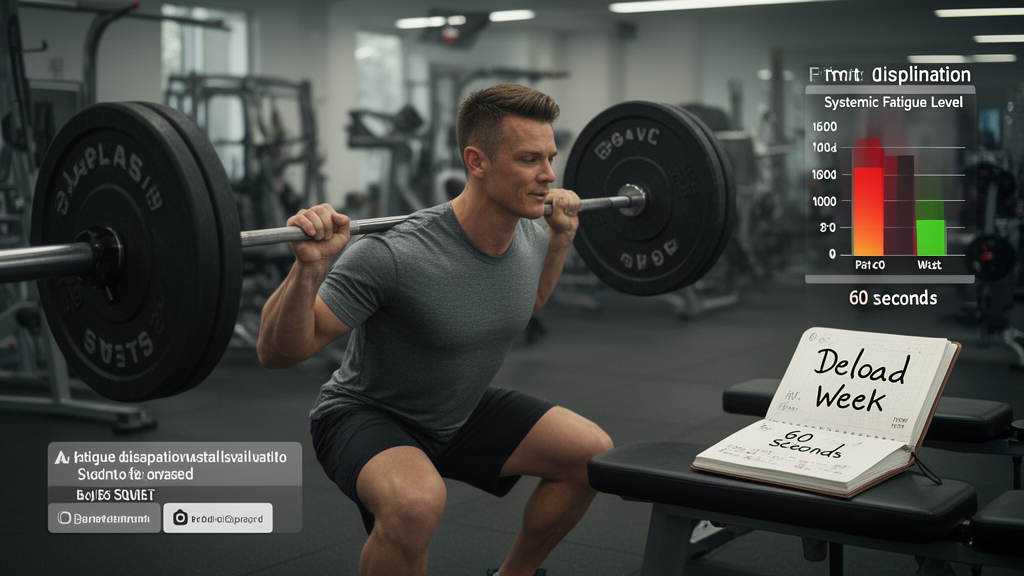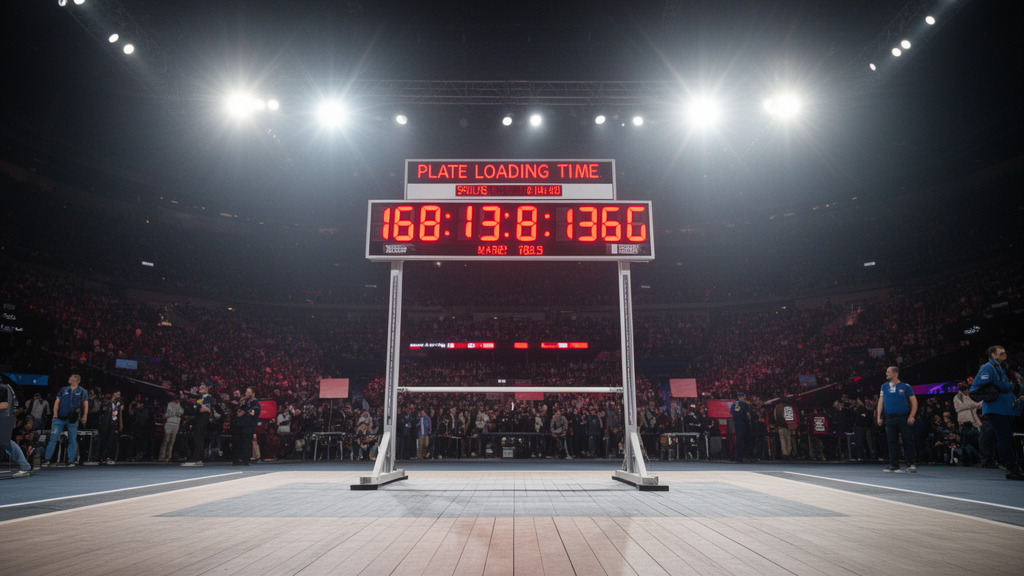
Quick answer: at a meet you typically get about 60 seconds from bar loaded to starting your lift, but between attempts you may wait 10 minutes or more depending on flight size. Plan your warm-ups around the flight, not around a fixed clock.
The Competition Reality: Best Rest Timer for Powerlifting Competition
You have trained for 12 weeks. You have peaked perfectly. You are on the platform for your first squat attempt. You crush it. Now what?
In a powerlifting meet, you don’t control the clock; the flow of the “flight” does. Being prepared with the best rest timer for powerlifting competition is often the difference between a new PR and a “bomb out.”
Flight Timing and CNS Recovery
A powerlifting flight typically consists of 10 to 15 lifters. This means you will have approximately 8 to 15 minutes between your attempts. This creates a unique physiological challenge:
- The Potentiation Decay: As we discussed in our guide on resting too long, your Post-Activation Potentiation (PAP) begins to fade after 8-10 minutes.
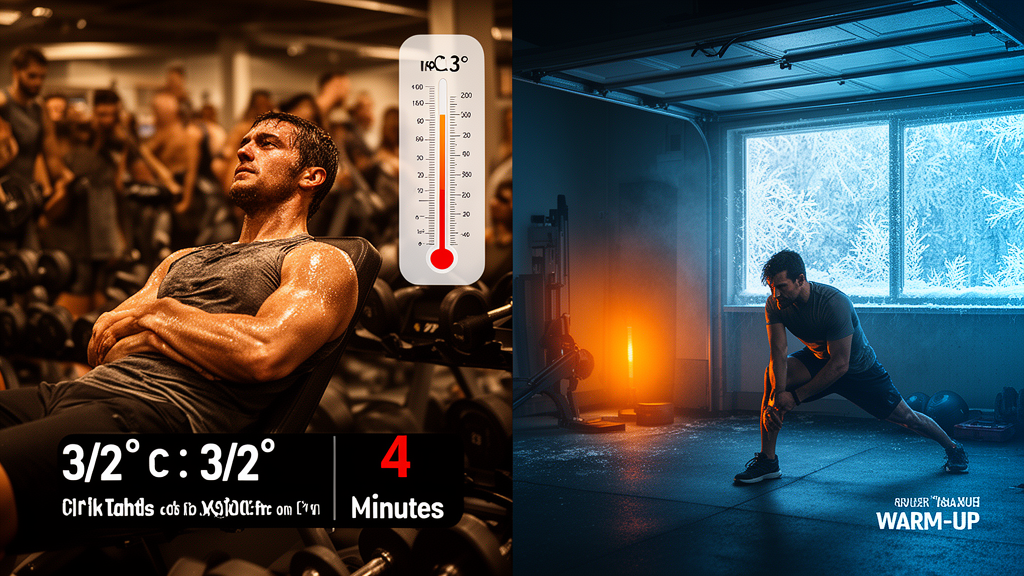
- The Cooling Risk: In a drafty high-school gym or convention center, your core temperature can drop rapidly while waiting for 14 other people to lift.
- Neural Readiness: You need to hit your second and third attempts precisely when your CNS has cleared the fatigue of the previous lift but before your “arousal” levels drop.
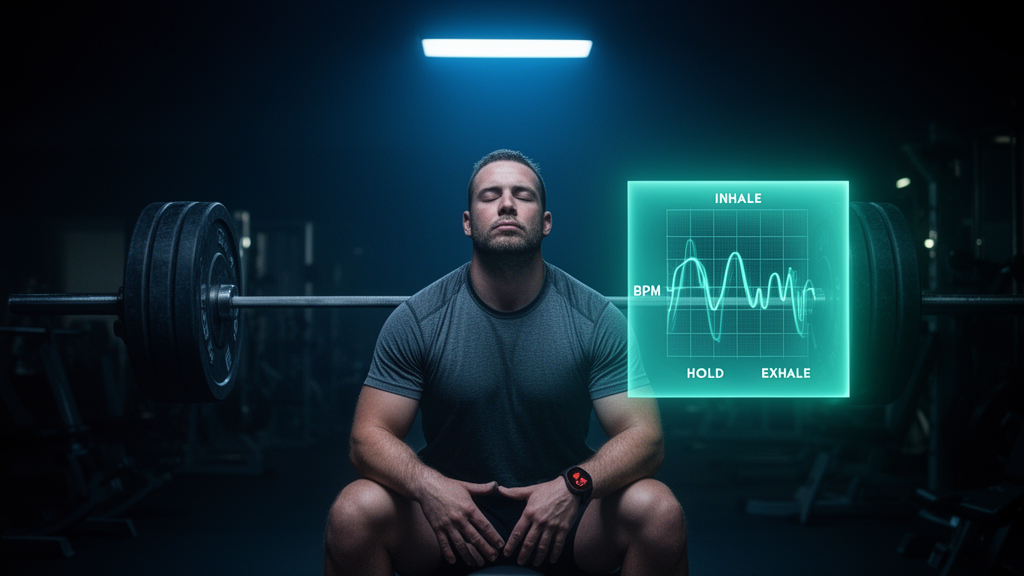
Managing this requires more than just a stopwatch; you need a way to visualize your recovery curve so you know exactly when to start your “primer” reps in the warm-up room.
Why Our Tool is the Choice for Competitors
When you are in the “warm-up room” at a meet, the atmosphere is chaotic. There are dozens of lifters, limited bars, and constant noise.
You need a simple, reliable way to track your recovery.
1. Visualization of Potentiation
Our timer doesn’t just count up. It shows you the estimated decay of your Post-Activation Potentiation known as PAP. If the meet is moving slowly and your indicator starts to drop out of the “Golden Window,” you know it is time to do a light “primer” rep to wake up the nervous system.
2. Battery Management
When you are at a meet for 8 hours, the last thing you want is a battery-draining app. Our progressive web app is lightweight and optimized for performance, ensuring it stays alive from your first squat to your last deadlift.
3. Clear Toggles for Big Lifts
Between squats, bench, and deadlifts, your recovery needs change.
- Bench to Deadlift Transition: You might have an hour of rest.
- Attempt to Attempt: You have minutes. Our tool allows you to quickly switch profiles to match the phase of the competition you are in.
Meet Day Strategy
- Track the Flight: Know how many lifters are between you and the bar.
- Start the Timer: The moment you rack the bar on your first attempt, start our rest timer.
- Monitor the Curve: If the curve indicates you are “cooling down,” stay warm. Put on your tracksuit. Do some light air squats.
- Prime if Needed: If rest exceeds 10 minutes, perform a single explosive repetition with a very light weight to re-engage the CNS.
Summary
Competition is about precision. You have three chances to prove your strength. Do not let a lack of recovery management ruin your hard work.
Use the rest timer trusted by science-minded lifters to dominate the platform.
If you want to see how your total stacks up across bodyweights, the strength score calculator returns your DOTS, Goodlift, and Wilks points from one input.
Event-based strength sports have their own demands, covered in strongman training rest periods.