Quick answer: dizziness after a heavy deadlift is almost always a rapid drop in blood pressure from the Valsalva maneuver, not something dangerous, and it usually clears in under a minute. It is worth a doctor’s visit if you actually faint, get chest pain, or it happens on light loads. Here is the full picture and how to prevent it.
You lock out a heavy deadlift. You drop the bar. And suddenly, the room starts spinning. Your vision goes blurry. You have to grab the rack to stop from falling over.
The Primary Dizziness After Deadlifts Causes
This experience, often called “seeing stars,” is terrifying if you do not understand it. Most of the time, it is simple physics involving your blood pressure.
There are two main dizziness after deadlifts causes that lifters should be aware of:
1. The Valsalva Effect or the Pressure Drop
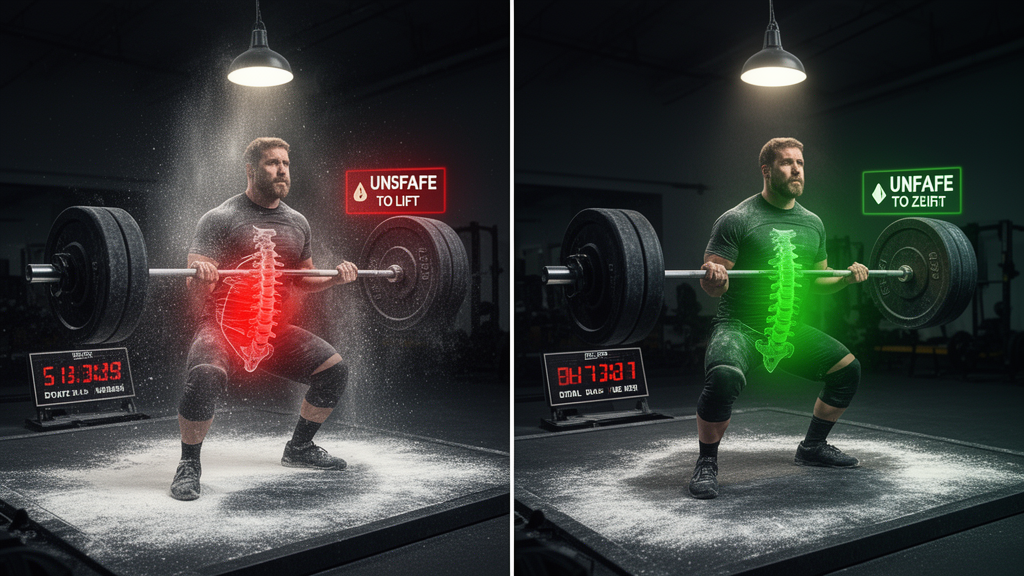
To lift heavy weights safely, you perform the Valsalva Maneuver. You take a deep breath and brace your core. This creates massive Intra-Abdominal Pressure or IAP which protects your spine. However, this pressure also squeezes the major blood vessels such as the Vena Cava.
When you finish the lift and exhale, your blood pressure plummets as the vessels dilate. This rapid drop means less oxygen reaches your brain for a few seconds, resulting in dizziness.
2. The Vasovagal Response in Weightlifting
For some lifters, the intense straining triggers a vasovagal response weightlifting incident. This is a malfunction of the Vagus Nerve where the body overreacts to the pressure stimulus by suddenly dropping both blood pressure and heart rate.
While your body usually compensates for pressure drops by increasing heart rate, a vasovagal response does the opposite—it’s a “fainting reflex” that can cause you to black out completely.
How to Prevent It
1. Don’t Drop the Tension Instantly
When you finish the lift, do not just collapse. Exhale controllably. Stay braced for a second before relaxing completely. Let the pressure normalize gradually.
2. Squeeze Your Legs
If you feel dizzy, do not stand still. Flex your quads and calves. This acts as a “muscle pump” to force blood back up from your legs to your heart.
3. Kneel Down
Do not try to be a hero. If the room spins, get closer to the ground immediately. Take a knee. This reduces the distance your heart has to pump blood against gravity.
4. Breathe Between Reps
Do not hold one breath for 5 reps. Reset your breath at the bottom of every single rep. This prevents the internal pressure from building to dangerous levels over the duration of the set.
5. Extend Your Rest
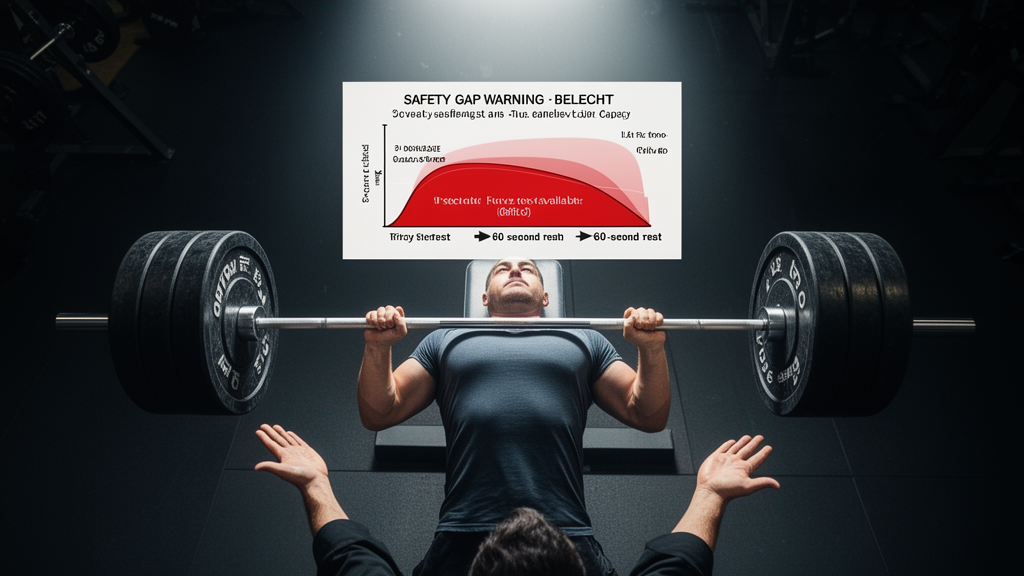
If you are prone to dizziness, your cardiovascular system needs more time to stabilize between sets.
- Recommendation: Rest at least 3 to 5 minutes between heavy sets.
- Hydration: Ensure you are drinking enough water and electrolytes. Low blood volume makes dizziness worse.
When to See a Doctor
While occasional dizziness is common in powerlifting, consistent fainting is not. If you pass out completely, have chest pain, or stay dizzy for minutes after the set, seek medical attention immediately. It could be an underlying heart condition.
For most of us, it is just a sign that we braced hard. Respect the heavy iron. Take your time.
How you breathe during the set matters just as much as how long you rest after it, which is covered in breathing between sets.