Quick answer: yawning during training is not a sign you need more oxygen. It is most likely a thermoregulatory and arousal-state response, linked to brain temperature and shifts between sympathetic and parasympathetic activity around hard sets. It is harmless, though frequent yawning can signal poor sleep or under-recovery.
The Surprising Yawning During Workout Science
You are in the middle of a heavy squat session. The music is loud. You are hyped up. But between sets, you cannot stop yawning. Are you bored? Are you tired? Probably not.
The latest yawning during workout science suggests this is a well-documented physiological response. It is not a sign of laziness. It is your body regulating itself in response to intense physical demand.
Brain Temperature Regulation and Exercise
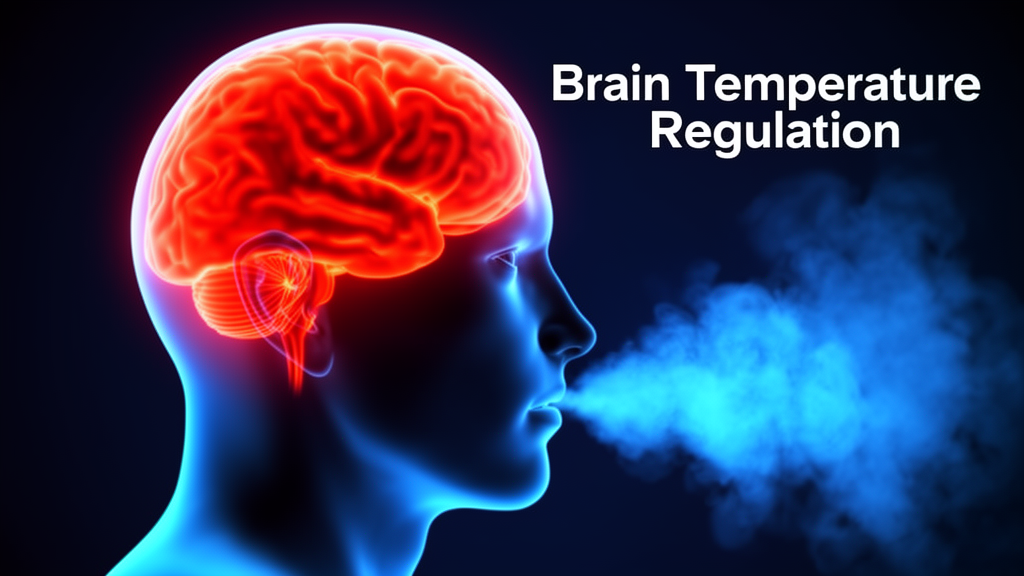
The leading scientific theory for yawning is thermoregulation. Your brain is like a high-performance computer processor; it operates best within a very narrow temperature range.
During intense brain temperature regulation exercise scenarios—like a heavy set of squats or deadlifts—three things happen:
- Metabolic Heat: Your core temperature rises as muscles burn energy.
- Blood Flow Spikes: Your heart pumps warmer blood directly to the head.
- Neural Overload: High-threshold motor unit recruitment generates significant neural heat.
When your brain “overheats,” a yawn acts as a cooling mechanism. The massive inhalation of air cools the blood vessels in the nasal and oral cavities, which then carry that cooled blood directly to the brain. It is essentially a radiator flush for your CPU.
Theory 2: The State Transition
Yawning also occurs when your body switches gears between the Sympathetic (Fight or Flight) and Parasympathetic (Rest and Digest) nervous systems. This oscillation between arousal states is a key aspect of CNS fatigue and recovery.
Heavy lifting is a series of intense spikes in the Sympathetic system followed by periods of rest in the Parasympathetic system.
- The Set: High Adrenaline.
- The Rest: Heart rate drops.
This rapid oscillation can trigger yawning as your body tries to stabilize its arousal levels. It is a “reset” button for your alertness.
Theory 3: Oxygen Needs? Debunked
The old wives’ tale says you yawn because you lack oxygen. Studies have largely debunked this.
While heavy breathing also called panting fixes oxygen debt, deep slow yawning does not significantly alter blood oxygen levels. It is almost certainly about temperature and alertness, not oxygen.
Is It Bad?
Generally, no. It is a harmless reflex. However, context matters.
Good Yawning:
- You feel strong.
- You are focused.
- You yawn between heavy sets.
- Verdict: Brain cooling. Keep lifting.
Bad Yawning:
- You feel sluggish.
- Your eyes are heavy.
- You have no motivation.
- Verdict: Sleep deprivation or overtraining. You need to go home and sleep.
How to Manage It
If the yawning is annoying you:
- Cool Down: Drink ice water. Pour water on your head. Lowering your body temperature reduces the urge to yawn.
- Nasal Breathing: Focus on breathing through your nose during rest periods. This cools the blood more efficiently than mouth breathing.
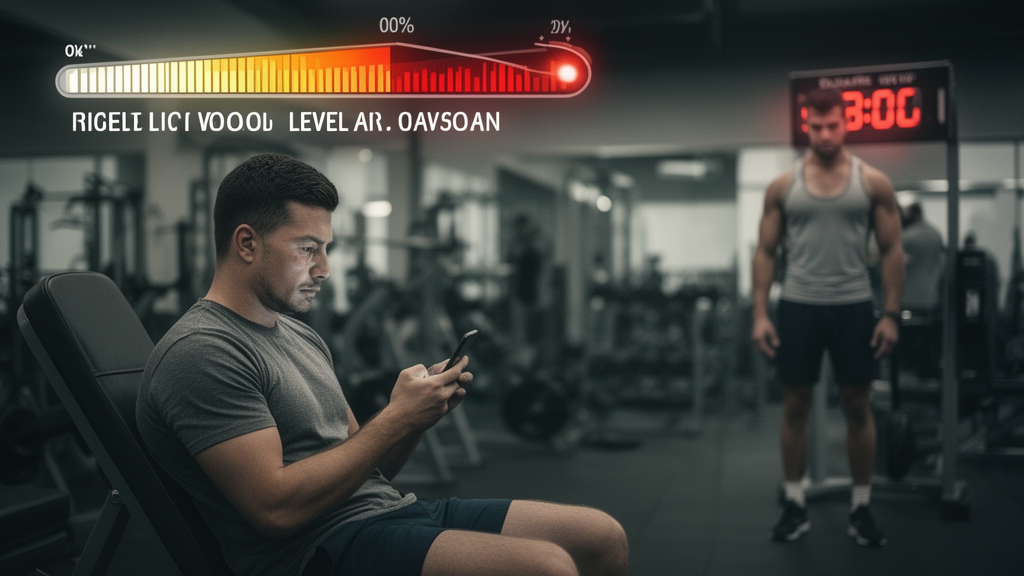
- Stay Engaged: Don’t sit down and stare at your phone. Walk around. Keep your mind active to prevent a slide into deep parasympathetic relaxation.
Summary
Don’t be embarrassed if you yawn before a PR attempt. It might just be your brain’s way of cooling down the engines before a maximum performance.
Check your rest times. Are you cooling down too much? Use our Rest Timer to keep your workout density high and your brain engaged.