Front Squat at a glance
Advanced- Primary muscles
- Quads
- Equipment
- Barbell and squat rack
- Rest for strength
- 3 to 5 min
- Rest for hypertrophy
- 2 to 3 min
Also works: Upper back, Glutes, Core
How to perform the front squat

 1
1Build the front rack
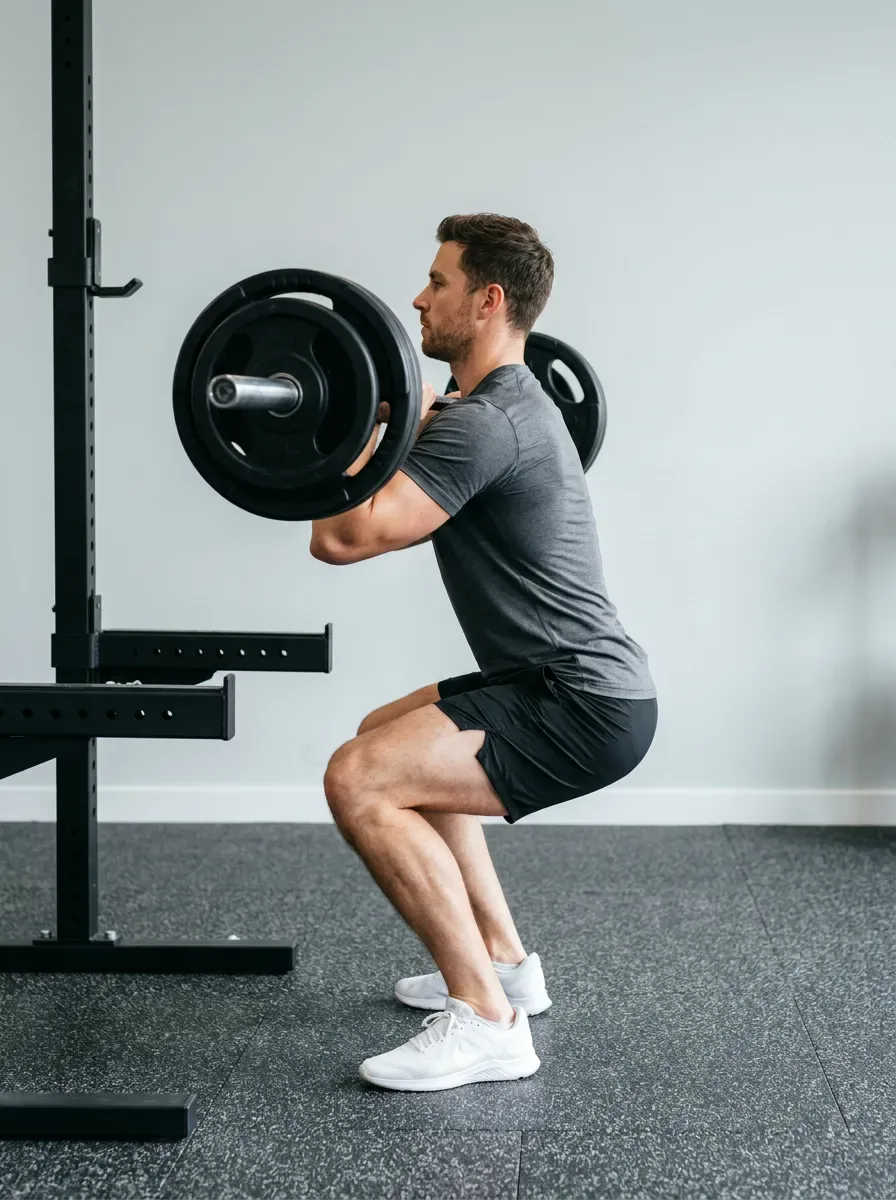
Rest the bar on your front deltoids with the elbows high and pointing forward. Fingers only need a light hook under the bar; the shelf is your shoulders, not your hands.
 2
2Descend vertically
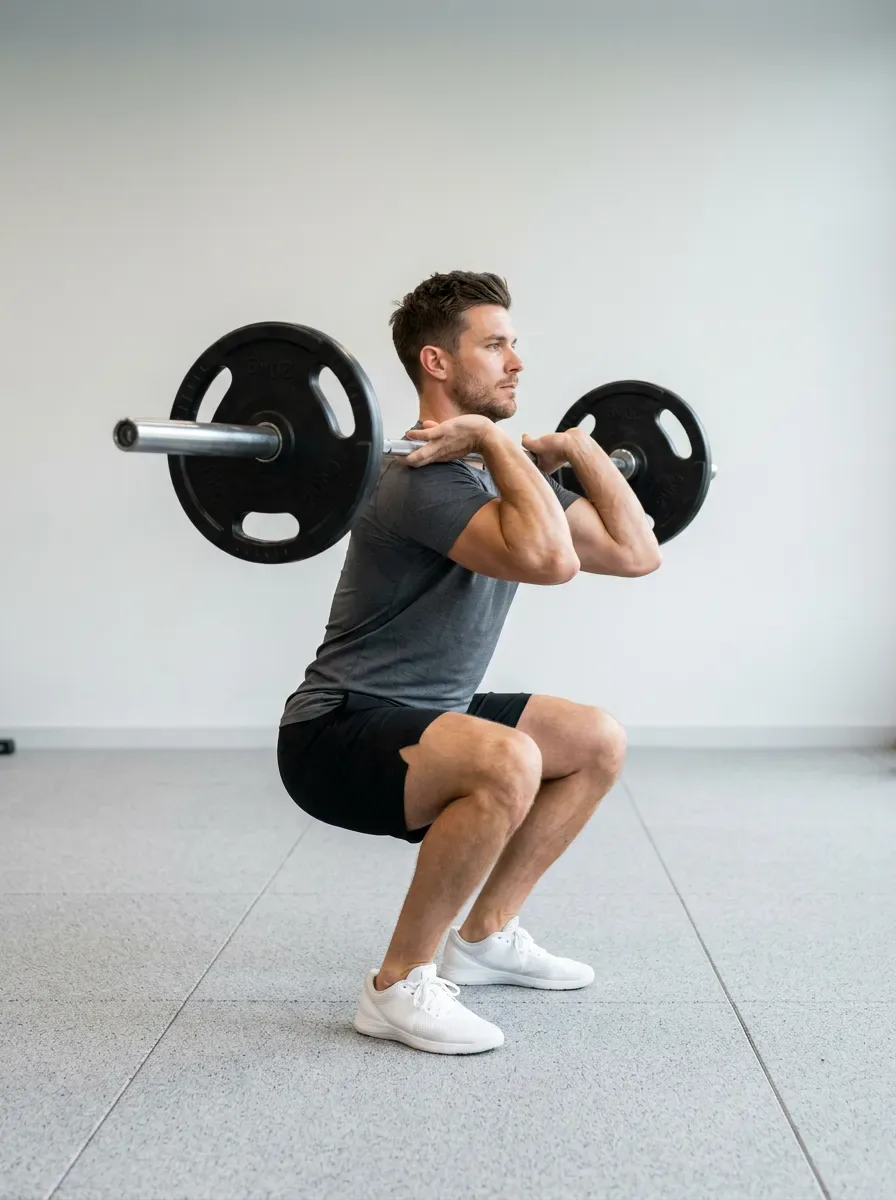
Sit straight down with a very upright torso. The elbows must stay high throughout, because the moment they drop the bar starts to roll forward.
 3
3Reach depth and drive
Descend to at least parallel with the torso near vertical, then drive up while keeping the elbows lifted and the upper back tight.
Common mistakes
Elbows dropping during the ascent
Fix: Actively drive the elbows up throughout. Dropping elbows is the single most common reason a front squat is missed.
Gripping the bar tightly in the hands
Fix: The bar sits on your shoulders. Fingers just stop it rolling, so a loose hook grip is correct.
Leaning forward like a back squat
Fix: Stay upright. A forward lean dumps the bar off the front rack immediately.
Loading it like a back squat
Fix: Most lifters front squat around 70 to 85% of their back squat. That gap is normal.
Variations and progressions
Cross-arm front squat
Arms crossed to hold the bar. Easier on the wrists but less stable under heavy loads.
Goblet squat
A dumbbell held at the chest. The best entry point for learning the upright pattern.
Zombie squat
Arms straight out with no hands on the bar. Ruthlessly exposes a weak rack position.
Safety bar squat
A good alternative when wrist or shoulder mobility makes the front rack impossible.
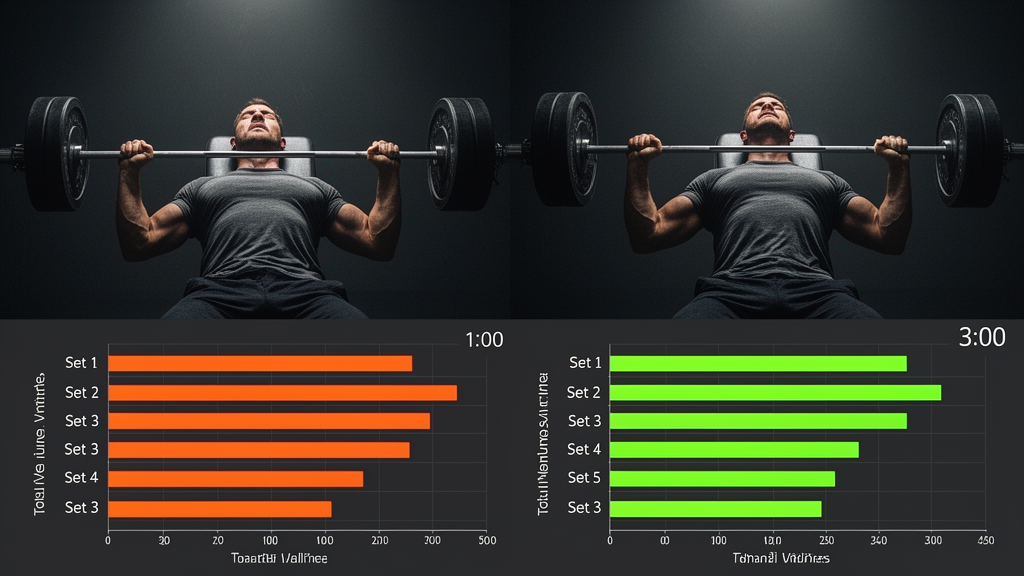
Quick answer: both need 3 to 5 minutes for heavy strength work, but they fail differently. The front squat is usually limited by upper-back and bracing endurance, so it can feel harder to repeat despite lighter loads. If your trunk is the weak link, err toward the longer end.
It is Leg Day. You are choosing between the Front Squat and the Back Squat.
The Core Question: Front Squat vs Back Squat Rest Needs
While both exercises build massive legs, they place radically different demands on your body’s energy systems and structural integrity. The primary difference lies in the source of your exhaustion.
Thoracic Fatigue vs Systemic Fatigue
One of the most important concepts in lifting is understanding your “Limiting Factor.”
1. Back Squat: The Systemic Drain
The Low Bar Back Squat is the king of total body recruitment. It allows you to lift the heaviest weights possible by engaging the posterior chain such as the hips, glutes, and hamstrings. This massive load creates Systemic Fatigue—a state where your entire nervous system and cardiovascular system are taxed.
- Rest Window: 3 to 5 minutes. You are waiting for your “overall battery” to recharge.
2. Front Squat: The Thoracic Limiter
The Front Squat places the bar on your anterior deltoids, forcing your torso to stay upright. This creates intense Thoracic Fatigue. Your upper back also called thoracic extensors must work overtime to prevent the bar from pulling you forward.
- The Problem: Your legs might have 5 more reps in them, but your upper back collapses.
- Rest Window: 2 to 4 minutes. You are waiting specifically for your “posture muscles” and breathing to recover.
The “Choke” Effect
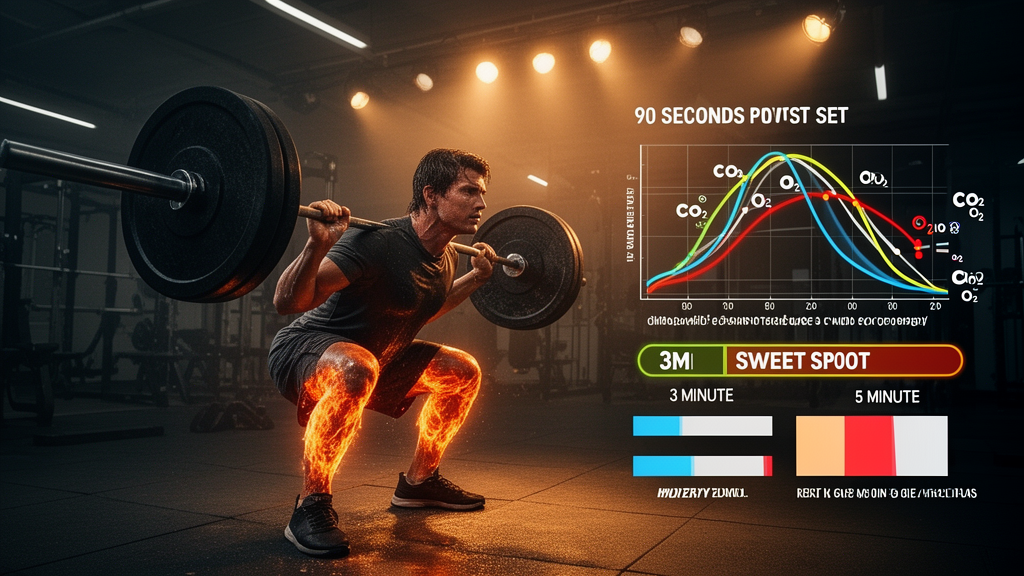
The rack position of a front squat can also compress the chest, making breathing difficult. This creates a higher hypoxic or low oxygen stress than the back squat. Even though the weight is lighter, you may feel “more out of breath” during a set of front squats.
Why Rest Periods Differ
For Back Squats
You are waiting for your legs and CNS to recover. You can grind out a rep even if you are tired.
- Strategy: Take your time. Walk around. Focus.
For Front Squats
You are waiting for your upper back and breathing to recover.
- Strategy: You might need slightly less rest than a heavy back squat because the absolute load is lighter. However, you cannot rush it. If your upper back is fatigued, you will round forward and risk injury.
Programming Guide
The “ Heavy” Day of Back Squats
- Sets: 5 sets of 3-5 reps.
- Rest: 5 Minutes.
- Goal: Move maximum weight. See our complete guide on rest periods for strength vs hypertrophy for optimal timing.
The “Hypertrophy” Day of Front Squats
- Sets: 4 sets of 8-12 reps.
- Rest: 2-3 Minutes.
- Goal: Quads and Core.
Because the Front Squat is self-limiting since you can dump the bar if you fail, it is safer to push closer to failure with slightly shorter rest periods compared to the Back Squat.
Conclusion
- Back Squat: Respect the load. Rest longer.
- Front Squat: Respect the posture. Rest until your breathing settles and your core feels rigid.
Use our Rest Timer to enforce these periods. Do not guess.
To benchmark where your overall total sits relative to other lifters, run it through the strength score calculator.
Can I use a cross-arm grip?
Comparing lifts? The rest by exercise lookup shows the rest range for every major movement side by side.