Quick answer: for sessions under about an hour, intra-workout nutrition changes very little, and water is enough. For longer or very high-volume sessions, carbohydrate during training can help maintain output in later sets. It does not shorten the rest your ATP-PC system needs.
The question of whether eating or drinking during a training session affects performance is not about individual sets. A single heavy set of squats depletes a small fraction of total muscle glycogen, and consuming carbohydrates mid-set would provide no benefit — digestion is too slow. The question is whether intra-workout nutrition affects set quality over the course of a long session by maintaining the substrate availability that supports late-session recovery between sets.
For most strength athletes training sessions under 60 minutes, the answer is no — and understanding why reveals when intra-workout nutrition does matter.
The Glycogen Connection
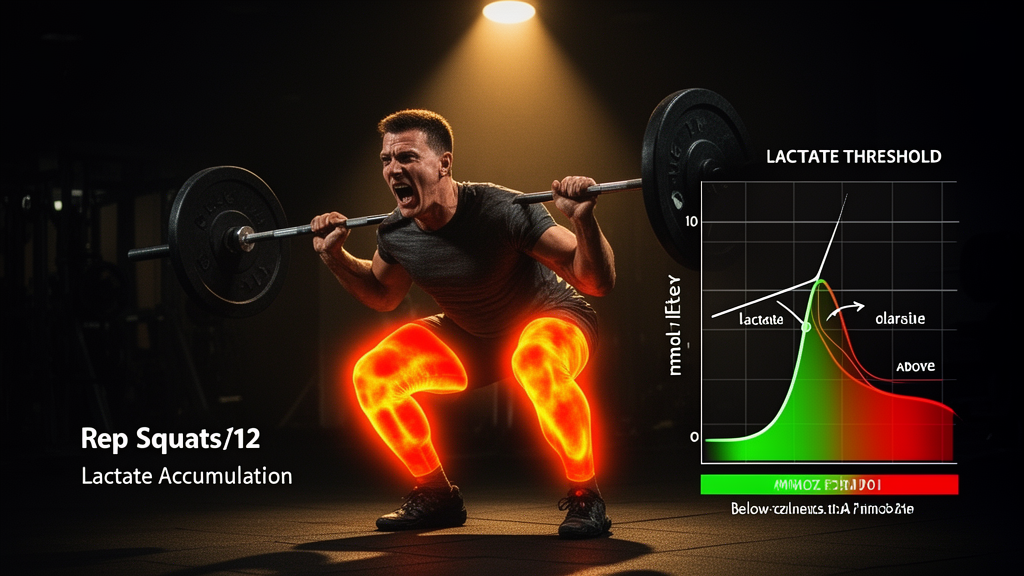
Muscle glycogen is the primary fuel for moderate-to-high intensity resistance training. Each set of work draws on glycogen stores in the working muscles, and the glycolytic pathway that processes this glycogen contributes substantially to ATP production for sets lasting longer than 15 seconds.
Glycogen depletion across a training session is gradual, not sudden. A well-nourished athlete beginning a session with full glycogen stores has enough fuel for approximately 60 to 90 minutes of moderate-to-high intensity training before stores become meaningfully depleted in the working muscles. Below approximately 50 to 60% of initial glycogen, the energy system shifts — the oxidative system contributes more, power output drops, and fatigue accumulates faster within each set.
The critical implication for rest period recovery is that glycogen depletion does not primarily slow the recovery between any individual pair of sets. It degrades the quality of each set, which means the amount of rest needed to feel ready for the next set actually increases as sessions extend because each set produces more residual fatigue against a lower substrate availability baseline.
For context on how lactate threshold training interacts with substrate availability, see lactate threshold training.
When Intra-Workout Nutrition Starts to Matter
The threshold at which intra-workout carbohydrates produce a measurable benefit is approximately 75 minutes of high-intensity training. Below this threshold, pre-workout glycogen stores are adequate and gastric processing time means any ingested carbohydrates will reach the muscle well after the session has ended.
Sessions that cross the 75-minute threshold — particularly those involving many compound movements, large muscle group training, and moderate-to-heavy intensities — benefit from carbohydrate ingestion timed to the middle third of the session. The goal is not to replenish fully depleted stores but to supplement a partial depletion before it becomes severe enough to affect set quality.
Athletes training twice daily — a morning session followed by an afternoon session with less than 6 hours between them — represent a special case where even shorter morning sessions benefit from intra-workout carbohydrates because full glycogen replenishment cannot occur between sessions.
What to Consume
Fast-digesting carbohydrates are the appropriate choice for intra-workout use because they enter the bloodstream rapidly and are available to muscle cells with minimal digestive lag.
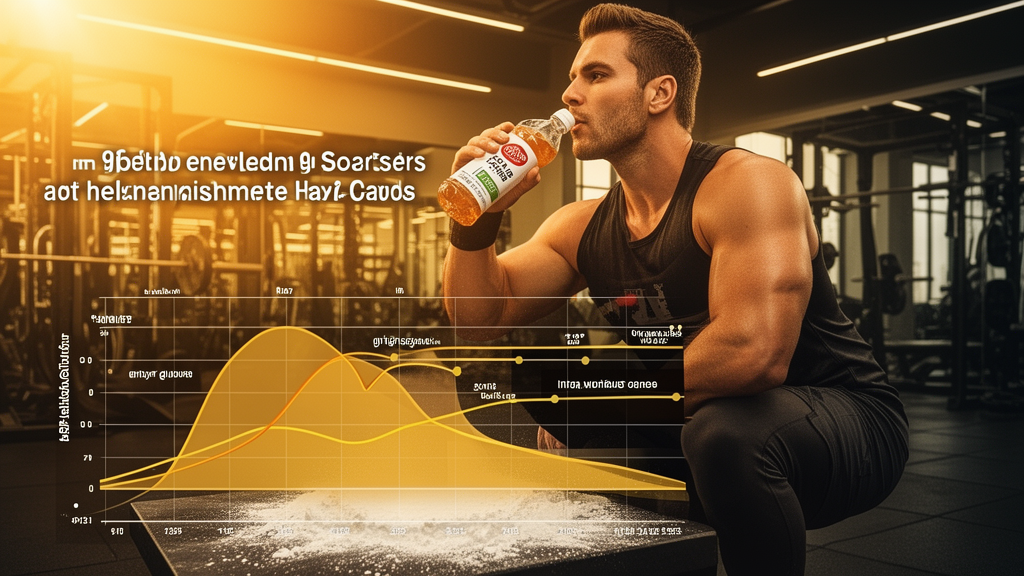
Glucose and glucose-containing sources are the most direct option. Maltodextrin is a common training supplement that provides rapidly digestible glucose without the sweetness of pure glucose, which many athletes find easier to consume mid-session. Fruit juice — particularly grape or apple — provides similar glycemic properties with added palatability. Sports drinks combine carbohydrates with electrolytes in a formulation designed for this purpose.
Branched-chain amino acids — leucine, isoleucine, and valine — are frequently added to intra-workout drinks. The evidence for performance benefits within a single session is modest. BCAAs may reduce central fatigue modestly by competing with tryptophan for brain uptake, reducing serotonin production. This effect is small and secondary to carbohydrate availability. For athletes consuming adequate total protein across the day, the benefit of intra-workout BCAAs is marginal.
Timing Within the Rest Period
For athletes who choose to consume intra-workout nutrition, the rest period is the natural moment to do so. Eating or drinking during a set is impractical, and consuming food immediately after a set slightly redirects blood flow toward the gastrointestinal system. Using the last 30 to 60 seconds of a rest period for nutrition — after the cardiovascular recovery phase is already underway — minimizes any competition for cardiac output.
For longer sessions incorporating multiple training blocks, such as the German volume training protocol discussed at German volume training rest, a carbohydrate source between major training blocks is more structured than sipping continuously.
Sessions Under 60 Minutes: Pre-Workout Matters More
For the majority of strength training sessions — 45 to 60 minutes with a standard compound lift structure — intra-workout nutrition provides no measurable benefit. Glycogen stores adequate from a pre-session meal will not be meaningfully depleted within this timeframe.
The highest-leverage nutrition intervention for short sessions is pre-workout carbohydrate intake 60 to 90 minutes before training. A meal providing 40 to 60 grams of carbohydrates in this window ensures full glycogen availability at session start and maintains stores through the typical session duration without any mid-session supplementation.